

Most insurance plans cover CGMs and diabetic supplies, but coverage varies by plan type and your specific situation. Medicare covers 80% after deductibles, while Medicaid offers state-specific benefits. Commercial insurers typically require prior authorization based on your insulin regimen and medical necessity. You’ll need proper documentation from your healthcare provider to qualify. For denied claims, appeal processes and patient assistance programs can provide alternative pathways to affordable diabetes management technology.
Key Takeaways
- Most insurance plans cover CGMs for insulin-dependent diabetics, though coverage criteria vary by plan and diabetes type.
- Medicare covers 80% of CGM costs after meeting the Part B deductible, requiring biannual doctor consultations.
- Medicaid CGM coverage varies significantly by state, with approximately 44-45 states providing some level of coverage.
- Insurance typically covers diabetic supplies like test strips, lancets, and meters as durable medical equipment (DME).
- Prior authorization is often required for CGM coverage, requiring documentation of medical necessity and specific eligibility criteria.
Understanding CGM Insurance Coverage Basics

Four key factors determine your eligibility for Continuous Glucose Monitor (CGM) coverage through insurance. Your diabetes type greatly impacts approval, with type 1 diabetes consistently receiving broader coverage across all insurance types. Your treatment regimen matters—using multiple daily insulin injections or an insulin pump often qualifies you for CGM technology. Additionally, devices like the Dexcom G6 provide real-time glucose readings, enhancing the monitoring experience.
Documentation requirements vary between insurers, potentially including proof of hypoglycemia episodes or demonstration of your ability to use the device effectively. Finally, your specific insurance plan dictates available brands and models through preferred supplier networks.
Be aware of insurance limitations that differ by state. While the Affordable Care Act supports chronic disease management, CGM coverage isn’t explicitly mandated nationwide. For type 2 diabetes patients, most commercial insurers provide CGM coverage for those on multiple daily injections or insulin pumps. Your healthcare provider can help navigate these requirements and verify your specific coverage details.
Medicare Coverage for Continuous Glucose Monitors
When it comes to managing diabetes with continuous glucose monitoring technology, Medicare offers significant coverage options through its Part B benefits. As of 2023, Medicare has expanded CGM eligibility to include beneficiaries who have diabetes and use insulin, regardless of type or dosage, or have documented problematic hypoglycemia. The Dexcom G7 Sensor is one of the advanced CGMs covered under Medicare, providing continuous glucose readings every five minutes. After meeting your annual Part B deductible ($257 in 2025), Medicare’s CGM cost sharing structure requires you to pay 20% of the Medicare-approved amount while Medicare covers the remaining 80%. To qualify, you’ll need a prescription from your healthcare provider and must attend follow-up consultations at least every six months. Medicare covers several FDA-approved CGM systems including Dexcom G6 and G7 models. Medicare Advantage plans provide at least the same coverage as Original Medicare, though premiums and out-of-pocket costs vary by plan.
Commercial Insurance Policies for Diabetes Management
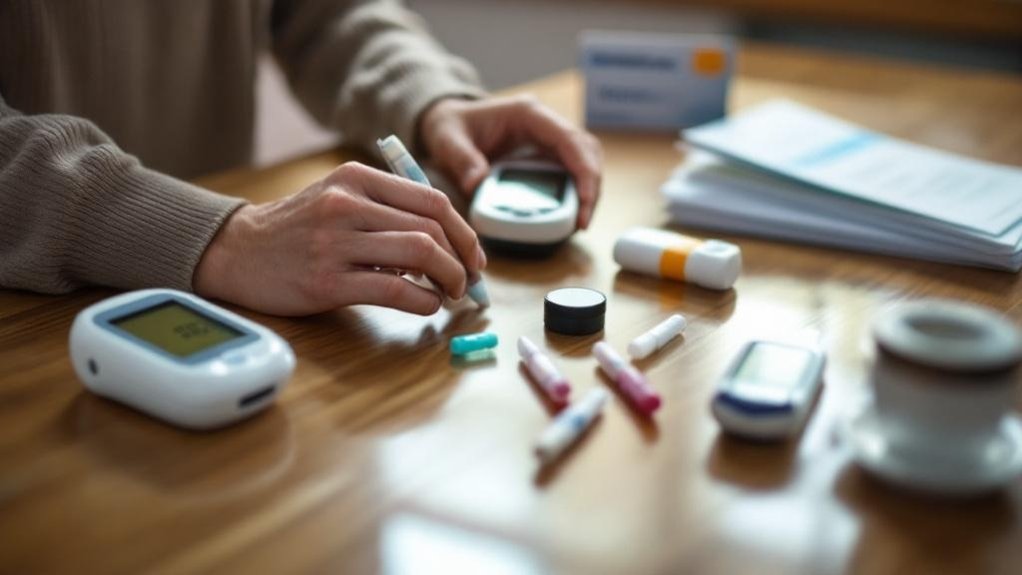
If you’re seeking commercial insurance coverage for CGMs, you’ll find that eligibility requirements differ considerably across major insurers like Aetna, Blue Cross Blue Shield, and UnitedHealthcare. Your coverage typically hinges on factors such as insulin dependency, multiple daily injections, or specific glycemic control issues documented by your healthcare provider. Steering through the prior authorization process often requires coordination between your doctor and insurer, with most plans classifying CGMs as durable medical equipment rather than pharmacy items. Many leading commercial health plans, including major providers like Aetna, Cigna, Elevance, Humana, United Healthcare, and most Blue Cross Blue Shield plans, now cover the Eversense 365 CGM system.
Eligibility Requirements Vary
Commercial insurance policies for diabetes management devices, particularly Continuous Glucose Monitors (CGMs), have widely varying eligibility requirements that you’ll need to navigate carefully. Most coverage criteria prioritize Type 1 patients and Type 2 patients using insulin therapy, especially those on multiple daily injections or insulin pumps.
Patient eligibility often hinges on demonstrating medical necessity through documentation of your insulin regimen, history of hypoglycemic events, or challenges with glycemic control. Major insurers like Cigna, Aetna, and UnitedHealthcare have different specific requirements—some cover implantable sensors while others require evidence of poor control despite standard treatments. Ensure all required documents are completed accurately to avoid delays in coverage approval.
Remember that your CGM might be covered under pharmacy benefits or as durable medical equipment (DME), affecting where you’ll obtain supplies and how authorization works. Verify your specific policy details to guarantee appropriate access.
Navigating Prior Authorization
Prior authorization represents one of the most significant hurdles you’ll encounter when seeking coverage for diabetes management devices and supplies. This process requires your insurer’s approval before they’ll pay for prescribed items, despite having a valid prescription from your healthcare provider.
Understanding prior authorization challenges can help you prepare strategically. Each insurer maintains different criteria—some require documentation of hypoglycemic episodes, while others demand proof you’ve tried less expensive alternatives first. Remember that requirements vary significantly between and within different insurance plans, even for the same diabetes supplies.
Effective patient advocacy strategies include:
- Maintaining detailed records of glucose readings
- Documenting how your current management plan affects quality of life
- Working with your healthcare team to submit thorough documentation
- Following up regularly with your insurance company
Navigating Medicaid Coverage for CGMs by State
While Medicaid coverage for Continuous Glucose Monitors (CGMs) has expanded considerably, you’ll find substantial variations across state programs that can dramatically impact your access to these vital diabetes management tools. Currently, 44-45 states plus DC offer some level of CGM coverage, but state policies differ greatly in who qualifies.
About 20-27 states provide extensive coverage for both type 1 and type 2 diabetes in adults. However, eligibility criteria often include requirements like regular clinical visits, documented multiple daily fingersticks, elevated HbA1c levels, or insulin dependency. Some states restrict coverage to type 1 diabetes only or limit CGM access to children under 21 through federally mandated EPSDT provisions. Several states including Arizona, Florida, Georgia, Hawaii, Kansas, Nebraska, and New Jersey have no published criteria for CGM coverage, making access particularly challenging for adult patients. Understanding the 10-day wear duration of sensors like the Dexcom G7 can also help you make informed decisions about your diabetes management.
If you’re on Medicaid, understanding your state’s specific requirements is essential for securing CGM coverage.
Coverage Options for Traditional Diabetic Testing Supplies
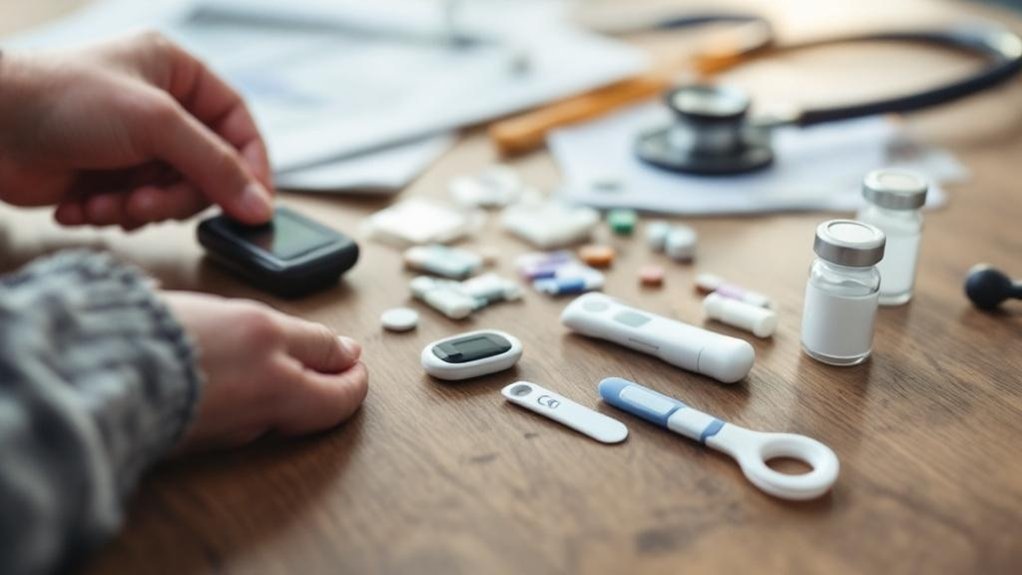
When seeking coverage for traditional diabetic testing supplies, you’ll find that most insurance plans offer some level of benefits, though specific terms vary considerably. Medicare Part B typically covers meters, test strips, lancets, and control solutions as durable medical equipment (DME), with limits based on testing frequency—up to 300 strips quarterly for insulin users and 100 for non-insulin users. Tricare coverage also includes diabetes monitoring devices through either pharmacy or medical benefits. Additionally, many plans now recognize the importance of continuous glucose monitoring systems, which offer real-time data and can improve diabetes management.
After meeting your deductible, you’re generally responsible for 20% coinsurance, though supplemental plans may cover this entirely. Commercial insurers often require prescriptions or prior authorization, and may designate preferred brands to reduce your costs. Remember that HSAs and FSAs can help with out-of-pocket expenses for traditional supplies. Documenting medical necessity is essential if you need coverage beyond standard limits.
How to Verify Your Insurance Benefits for Diabetes Technology
Steering through the complex world of insurance coverage for diabetes technology requires thorough verification of your benefits before proceeding with any device acquisition. Start by gathering your complete insurance information—policy numbers, group IDs, and insurance card images—to facilitate accurate coverage confirmation.
Contact your insurer directly to verify active coverage for diabetes technology, confirming whether your CGM or insulin pump falls under DME or pharmacy benefits. This distinction considerably affects your out-of-pocket costs and refill processes. Checking for pre-authorization requirements is essential for these high-cost diabetic devices to avoid claim denials.
Take advantage of automated insurance verification tools when available through your provider or pharmacy. Document all verification outcomes, including coverage limits, deductibles, and copays.
With thorough insurance verification completed, you’ll confidently understand your benefits and avoid unexpected expenses while accessing the diabetes technology you need.
Overcoming Insurance Barriers for CGM Access

When your CGM request is denied, you’ll need a strategic appeal that includes your provider’s detailed clinical justification and relevant studies showing medical necessity for your specific condition. You can also explore manufacturer-sponsored patient assistance programs, which often provide discounted or free supplies based on financial need and insurance status. While traversing these barriers, remember to document all communications with your insurer and consider enlisting support from patient advocacy organizations that specialize in diabetes care access issues. Recent research reveals that reducing prior authorization requirements can significantly increase CGM adoption among both T1DM and T2DM patients who use insulin. Additionally, utilizing a CGM like the Dexcom G7 Sensor can empower users to respond to glucose trends effectively.
Appeal Denial Strategies
Despite receiving an initial denial for your Continuous Glucose Monitor (CGM) coverage, you’ve got multiple effective strategies to overturn these decisions. The appeal process varies between insurers, but always begins with thorough documentation strategies. Gather detailed clinical notes highlighting your glucose variability, hypoglycemia risk, and insulin regimen details.
For Medicare appeals, emphasize that you meet all criteria and reference updated rules that have removed fingerstick requirements. Medicaid appeals should highlight state-specific policy changes and cost-effectiveness evidence. Working with a healthcare provider who can document the in-person or telehealth visit within six months before CGM prescription will strengthen your appeal case. In all cases, include physician notes documenting medical necessity that reference FDA indications and clinical guidelines from organizations like the ADA.
Consider exploring whether your CGM could be covered under your pharmacy benefit, which often provides streamlined access with fewer authorization burdens.
Patient Assistance Programs
Beyond appealing insurance denials, patient assistance programs offer another pathway to affordable CGM access. Many CGM manufacturers provide dedicated financial support through programs that can reduce or eliminate your out-of-pocket costs based on income eligibility.
You’ll find multiple options for assistance, including manufacturer savings programs offering substantial discounts on sensors and transmitters, pharmacy-based copay assistance, and vouchers that can slash monthly expenses. Community health centers and diabetes support organizations can guide you through application processes for these resources.
Don’t overlook government support through Medicare Part B and Medicaid, which cover various diabetes supplies when you meet eligibility requirements. Designating a CGM champion within your healthcare team can significantly improve your chances of successful insurance coverage and program enrollment. At Diabetic Supplies Hub, we’re committed to helping you navigate these patient assistance opportunities, connecting you with programs that make essential diabetes management tools financially accessible.
Frequently Asked Questions
Do Insurance Companies Cover CGMS for Pre-Diabetic Patients?
CGM eligibility criteria typically exclude pre-diabetic coverage under most insurance plans. You’ll likely need documented risk factors or complications to qualify, as insurers generally require a diabetes diagnosis for CGM authorization.
How Often Can I Upgrade My CGM Device With Insurance Coverage?
Insurance policy guidelines typically limit CGM upgrades to when your device reaches the end of its functional lifespan—usually 1-3 years—or becomes obsolete. Documentation of medical necessity is often required for approval.
Are International Travel Supplies Covered by My Insurance Plan?
Most domestic insurance policies don’t cover diabetic supplies during international travel. You’ll likely need supplemental travel medical insurance that specifically includes coverage for your diabetes management needs abroad.
Do Insurers Cover CGM Accessories Like Protective Cases and Adhesives?
Insurance typically covers essential adhesive patches with proper documentation, but protective cases are usually not covered unless medically necessary. You’ll need to check your specific plan for detailed coverage information.
Can I Appeal Insurance Denials for CGM Coverage When Switching Brands?
Yes, you can appeal CGM brand switching denials through your insurance appeal process. Document medical necessity, submit provider letters, and meet deadlines while highlighting clinical reasons for the change.
Conclusion
While insurance coverage for CGMs and diabetic supplies varies considerably, you’ve got options. Be proactive—call your insurer, obtain prior authorization documentation, and appeal denials if necessary. Remember that Medicare, Medicaid, and commercial plans all have different requirements for coverage qualification. If you’re facing gaps, patient assistance programs and prescription savings cards can help make these essential diabetes management tools more accessible.