

Blood glucose numbers reflect how well our body processes sugar. For non-diabetics, fasting levels should be 70-99 mg/dL, while staying below 140 mg/dL after meals. People with diabetes aim for 80-130 mg/dL before meals and under 180 mg/dL after eating, with an A1C below 7%. Monitoring through fingersticks or continuous devices helps identify patterns and prevent complications. Understanding your target range provides the foundation for ideal health management.
Key Takeaways
- Normal blood glucose targets: fasting 70-99 mg/dL, post-meal under 140 mg/dL, and A1C below 5.6% for non-diabetics.
- Diabetes management targets include pre-meal glucose of 80-130 mg/dL, post-meal under 180 mg/dL, and A1C below 7%.
- Warning signs of blood sugar issues include increased thirst, frequent urination, unexplained weight loss, and persistent fatigue.
- Regular monitoring helps identify patterns, with insulin users needing at least four daily checks and structured testing schedules.
- Maintaining Time in Range (70-180 mg/dL) for at least 70% of readings improves long-term health outcomes.
Normal Blood Glucose Ranges for Non-Diabetic Adults
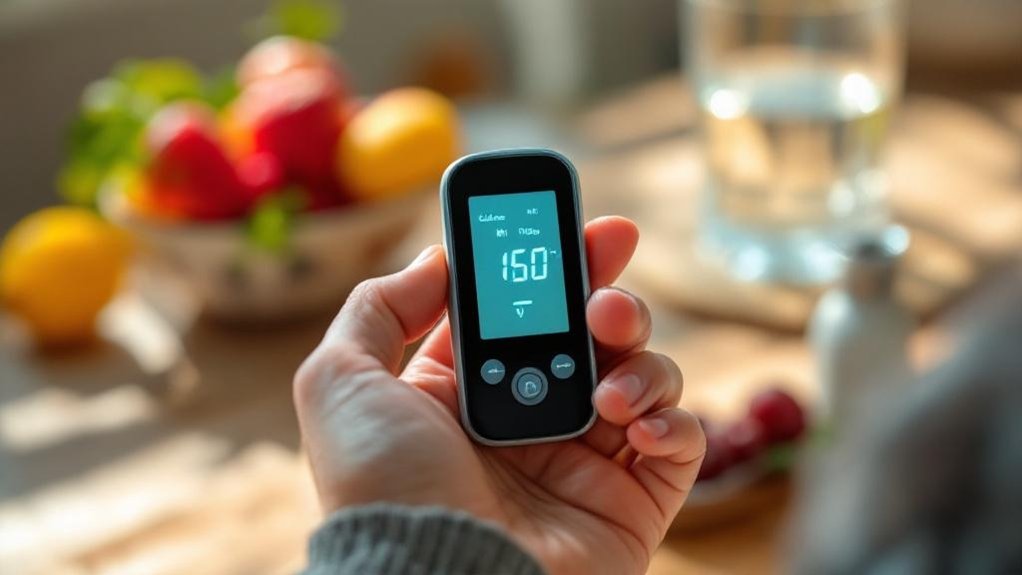
Understanding normal blood glucose ranges is essential for distinguishing between healthy metabolism and potential diabetes risk. For non-diabetic adults, fasting blood glucose typically ranges from 70-99 mg/dL (3.9-5.5 mmol/L), with ideal levels between 70-90 mg/dL.
During a typical day, healthy individuals maintain glucose between 70-120 mg/dL about 90% of the time. Two hours after meals, levels should remain below 140 mg/dL, with peaks occurring 46-60 minutes post-meal. Bedtime readings should stay under 120 mg/dL. In Canada, normal blood glucose levels for non-diabetics range from 4.0 to 7.0 mmol/L.
Fasting duration greatly impacts your morning readings, while foods with varying glycemic index values affect post-meal responses. For extensive assessment, A1C levels between 4-5.6% indicate normal long-term glucose control. We recommend monitoring trends rather than isolated readings, as occasional spikes don’t necessarily indicate diabetes.
Target Blood Sugar Levels for People With Diabetes
Managing target blood glucose levels represents the cornerstone of effective diabetes care, with specific ranges established to optimize health outcomes while minimizing complications. The American Diabetes Association recommends most adults aim for 80-130 mg/dL before meals and under 180 mg/dL post-meal, with an A1C below 7%. Modern CGM devices like the Dexcom G6 provide real-time glucose readings every five minutes to help patients stay within these ranges.
These target ranges, however, should be personalized goals based on your unique circumstances. Factors like diabetes duration, age, cardiovascular health, and hypoglycemia awareness all influence appropriate targets. For those using continuous glucose monitoring, we recommend maintaining Time in Range (TIR) of at least 70% between 70-180 mg/dL. For older adults over 65, the target blood sugar range may be set at 70 to 180 mg/dL, though this varies based on individual health factors.
Special circumstances require adjustments—pregnant individuals need stricter control (70-95 mg/dL fasting), while those with hypoglycemia unawareness may benefit from less stringent targets to prioritize safety.
Age-Specific Glucose Guidelines Across the Lifespan
We’ll now examine how blood glucose targets vary greatly across different age groups, with children requiring different monitoring standards than elderly patients. Pregnant women face unique glucose management challenges that necessitate specialized monitoring protocols to protect both maternal and fetal health. These age-specific guidelines recognize that physiological differences, developmental stages, and health conditions require customized approaches to diabetes management throughout the lifespan. For optimal health outcomes across all age groups, maintaining glucose levels within the optimal range 80-94 mg/dL is associated with lower mortality risk and reduced biological aging.
Children vs. Elderly Targets
While blood glucose targets remain essential for all people with diabetes, these goals vary considerably across different age groups due to physiological differences, complication risks, and life circumstances.
For childhood diabetes (ages 6-12), we recommend fasting glucose ranges of 70-100 mg/dL and A1C targets below 7%. In adolescents (13-19), similar targets apply with psychological screening beginning at ages 7-8 to address diabetes-related distress. The ADA recommends that A1C goals be individualized and reassessed over time based on the child’s specific needs and circumstances.
For elderly diabetes management, targets become more conservative. Adults over 60 typically benefit from less stringent A1C goals of 7-8%, as stricter control shows no mortality reduction benefits. We consider medication de-escalation when A1C falls below 6.5% in older patients. Life expectancy, cardiovascular status, hypoglycemia risk, and patient preferences should guide target customization for both children and elderly patients.
Pregnancy Monitoring Essentials
Pregnant individuals with diabetes require exceptionally precise glucose monitoring to guarantee ideal maternal and fetal outcomes throughout gestation. For best results, fasting glucose should remain below 95 mg/dL, with postprandial targets of <140 mg/dL at one hour and <120 mg/dL at two hours.
We recommend maintaining A1C levels below 6% when achievable without considerable hypoglycemia, though this may be relaxed to <7% when necessary. Testing should occur both fasting and one hour after every meal, with continuous glucose monitoring (CGM) particularly beneficial for those with type 1 diabetes.
Proper glucose monitoring considerably reduces pregnancy complications including preeclampsia, premature birth, and newborn hypoglycemia. Remember that postpartum screening between 4-12 weeks is essential to identify ongoing diabetes or pre-diabetes following gestational diabetes. For patients with gestational diabetes mellitus, delivery timing should be scheduled between 39 and 40 weeks for diet-controlled cases to optimize maternal and neonatal outcomes.
Warning Signs: Recognizing Prediabetes and High Blood Sugar
Recognizing the early warning signs of prediabetes and elevated blood glucose levels can greatly improve health outcomes through timely intervention. Many early symptoms remain subtle initially, with increased thirst and frequent urination being primary indicators as your kidneys work harder to filter excess blood sugar.
We often see patients experiencing unexplained weight loss, slow-healing wounds, and persistent fatigue despite adequate rest. Dark patches of skin, known as acanthosis nigricans, may develop in body folds such as the neck, armpits, and groin, indicating insulin resistance. These physical manifestations signal your body’s struggle with glucose regulation. Vision changes, including blurred sight that fluctuates throughout the day, typically indicate progressing issues with blood sugar management.
Measurement Methods: From Fingersticks to Continuous Monitoring
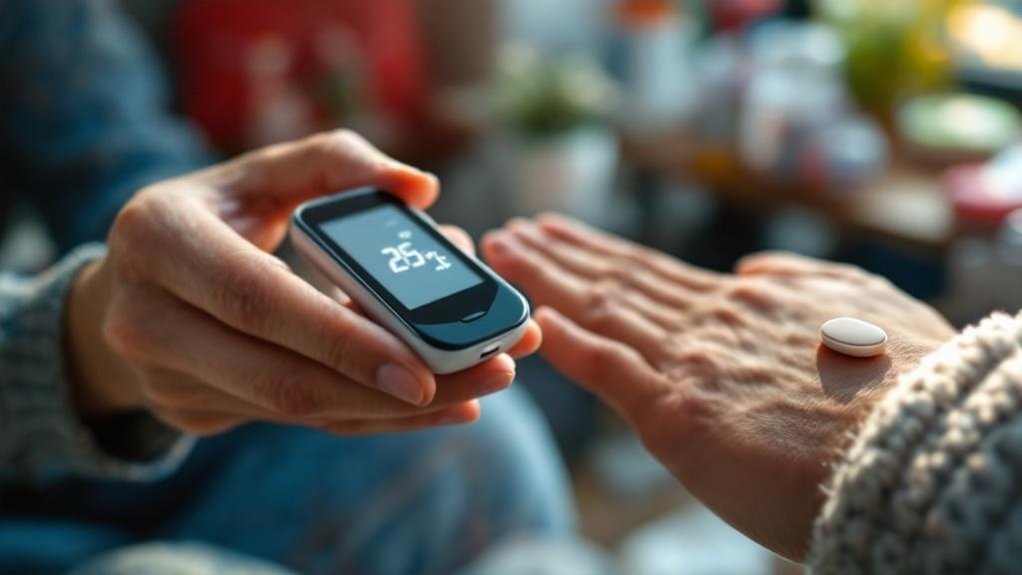
We recognize that accurate glucose monitoring devices greatly influence diabetes management decisions, with correlation coefficients between 0.93-0.99 for quality fingerstick methods compared to reference standards. Regular testing provides thorough glucose pattern data, enabling timely adjustments to medication, diet, and activity levels. For patients requiring frequent measurements, continuous glucose monitoring systems offer considerable time efficiency advantages, reducing the testing process from 132.8 seconds (fingerstick) to just 26.4 seconds (flash glucose monitoring). Healthcare professionals have reported positive staff attitudes toward digital glucose monitoring implementation, suggesting strong support for integrating these technologies into routine inpatient care. Modern CGM systems like the Dexcom G6 deliver real-time updates every 5 minutes without requiring fingerstick calibrations, allowing for more proactive glucose management decisions.
Device Accuracy Matters
When it comes to managing diabetes effectively, the accuracy of your blood glucose monitoring devices plays an essential role in treatment decisions and health outcomes. Not all meters deliver the same level of meter reliability, with Mean Absolute Relative Differences (MARD) ranging from 5.6% to 20.8% across different devices.
We’ve found that high-quality meters can achieve MARD values below 5%, with FreeStyle Lite demonstrating superior accuracy at 4.9%. However, accuracy variability becomes particularly concerning during hypoglycemic episodes, when precise readings are most critical. Continuous glucose monitors (CGMs) typically show MARD values between 10-12%, measuring interstitial fluid rather than blood directly. In a comprehensive laboratory study, only Contour Next and StatStrip Xpress meters met the stringent ISO 2013 criteria for accuracy.
At Diabetic Supplies Hub, we offer FDA-approved products from trusted brands that meet rigorous accuracy standards, ensuring you can confidently manage your diabetes with reliable monitoring tools.
Testing Frequency Benefits
The ideal frequency of blood glucose testing varies considerably based on treatment regimen, yet consistently demonstrates measurable benefits for glycemic control. Evidence shows insulin-treated patients should check at least four times daily, while non-insulin type 2 patients benefit from 8-11 checks weekly.
We’ve found structured monitoring approaches yield superior results compared to random testing. This systematic method—involving specific pre/post meal schedules—helps both you and your healthcare provider recognize patterns and make informed treatment adjustments. Studies confirm that structured SMBG approaches lead to greater HbA1c reductions compared to standard monitoring methods.
Timing strategy matters too. Post-prandial checks provide particularly valuable insights compared to fasting measurements alone. While CGM technology offers extensive time-in-range data beneficial for insulin users, traditional fingerstick monitoring remains effective when performed with appropriate frequency and timing. Ultimately, your testing frequency should align with your treatment goals and medication regimen.
Daily Fluctuations: How Timing and Activities Affect Your Numbers
Blood glucose levels undergo continuous fluctuations throughout the day, resembling the movement patterns of a volatile stock market as metabolic processes respond to various internal and external factors.
We observe that meal timing considerably impacts these patterns, with breakfast triggering higher peaks (132.3±16.7 mg/dl) compared to lunch (118.2±13.4 mg/dl). Exercise impact varies with intensity and timing, directly influencing nighttime glucose drops. Stress effects create automatic metabolic changes affecting glucose variability, while sleep influence manifests in morning highs and nighttime lows. Non-diabetic individuals typically maintain these fluctuations within a normal range of under 140 mg/dl after meals.
With real-time readings available every 5 minutes through continuous glucose monitoring, individuals can better understand and respond to their daily glucose patterns. Dietary choices produce predictable post-meal spikes (averaging 50.2 mg/dl after breakfast), but these typically normalize within hours. Even minor routine changes can dramatically alter glucose patterns – something we’ve confirmed as 92% of non-diabetic subjects experienced hypoglycemia below 70 mg/dl during testing. Understanding these fluctuations helps optimize testing schedules and management strategies.
Frequently Asked Questions
How Does Stress Impact Blood Glucose Levels?
Stress raises our blood glucose through cortisol and adrenaline release, creating temporary insulin resistance. We’ve found effective stress management techniques can greatly reduce these hormonal fluctuations, helping us maintain healthier glucose levels.
Can Medications Besides Insulin Affect Blood Sugar Readings?
Yes, many medications beyond insulin can greatly affect blood sugar readings. We’ve seen how steroids, antipsychotics, beta-blockers, and even some oral medications for diabetes management can cause unexpected glucose fluctuations in our community.
What’s the Connection Between Hydration and Glucose Measurements?
Dehydration greatly alters blood glucose concentration in our bodies. We’ve found that hydration effects can cause falsely elevated readings as glucose becomes concentrated, while proper fluid intake reduces glucose variability during monitoring.
How Quickly Can Lifestyle Changes Improve Prediabetes Numbers?
We can see measurable improvements in prediabetes numbers within 16 weeks with consistent lifestyle changes. Exercise impact is significant when combined with dietary adjustments, potentially reducing your risk by 58% with modest weight loss.
Why Do Blood Sugar Levels Sometimes Spike During Sleep?
Blood sugar spikes during sleep occur due to dawn phenomenon, sleep apnea, medication timing issues, or rebound from nocturnal hypoglycemia. We’re all susceptible to these natural physiological processes affecting our glucose metabolism overnight.
Conclusion
We’ve examined the complete landscape of blood glucose management, from standard ranges to measurement technologies. Understanding these numerical markers empowers you to identify potential concerns and maintain ideal levels throughout life’s varied circumstances. Remember, your glucose readings aren’t merely data points—they’re actionable insights that directly impact your metabolic health. By consistently monitoring these values and responding appropriately, you’ll enhance your diabetes management with precision and confidence.