

Managing diabetes effectively requires daily physical activity, consuming fiber-rich foods, using the plate method for portion control, monitoring blood glucose patterns, practicing mindful eating, prioritizing sleep, implementing stress reduction techniques, maintaining medication adherence, attending regular check-ups, and creating nutritionally balanced meals. These evidence-based habits can help reduce your A1C levels by 0.5-1.0% when consistently applied. Discover how integrating these ten strategies into your routine can transform your diabetes management and long-term health outcomes.
Key Takeaways
- Aim for 150 minutes of weekly moderate exercise to improve insulin sensitivity and blood glucose control.
- Focus on fiber-rich foods, targeting 35g daily to improve glycemic control and reduce cardiovascular risks.
- Monitor blood glucose patterns strategically before and after meals to identify trends affecting your levels.
- Practice mindful eating by savoring each bite and recognizing hunger cues to better regulate glucose.
- Maintain consistent weight management by documenting food intake and aiming for at least 5% weight loss.
Make Physical Activity a Daily Priority

Physical activity stands as one of the most powerful tools in your diabetes management arsenal. With just 150 minutes of moderate exercise weekly, you’ll experience improved insulin sensitivity and better blood glucose control—lowering your HbA1c by up to 0.7 percentage points even without weight loss.
Your exercise benefits extend beyond glucose management. Regular activity reduces heart disease mortality risk, with walking just two hours weekly delivering significant protection. For ideal results, combine aerobic exercises (like walking or swimming) with resistance training to maximize glycemic improvements. The best time to exercise is typically one to three hours after eating when your blood sugar levels are higher and more stable.
Start small with activity routines that fit your lifestyle—whether it’s 10-minute post-meal walks or taking stairs instead of elevators. Remember, consistency matters more than intensity, and every movement contributes to better diabetes control.
Focus on Fiber-Rich, Whole Foods
Incorporating fiber-rich, whole foods into your diet represents a cornerstone of effective diabetes management. Research shows high-fiber diets markedly improve glycemic control and reduce cardiovascular risks. Aim to gradually increase your intake toward 35g daily, rather than the typical 20g most adults consume.
Prioritize soluble fiber sources like oatmeal, which helps stabilize blood glucose levels and lower cholesterol. Replace refined grains with whole alternatives such as brown rice and whole-wheat pasta. Clinical evidence demonstrates a significant improvement in HbA1c levels with higher fiber consumption, leading to better long-term outcomes. Practical meal ideas include adding legumes to salads, choosing whole fruits with skin, and incorporating more vegetables into every meal.
Remember to increase fiber gradually (3-5g daily) and drink plenty of water to prevent digestive discomfort. This evidence-based approach not only improves blood sugar control but also supports weight management through increased satiety.
Master the Diabetes Plate Method

The Diabetes Plate Method offers a visual approach to portion control that you’ll find easier than counting carbohydrates or calories. You can optimize blood glucose management by filling half your plate with non-starchy vegetables, one quarter with lean protein, and one quarter with carbohydrate foods such as whole grains or starchy vegetables. This balanced approach extends beyond main meals to snacks, where combining protein with carbohydrates helps maintain steady glucose levels throughout the day. Remember to complement your meals with water or low-calorie drinks to support overall hydration and health.
Perfect Your Plate Proportions
How you arrange your meals can dramatically impact your blood glucose levels throughout the day. Using a 9-inch plate creates the foundation for portion awareness while maintaining nutritional balance. Divide your plate into three sections: half for non-starchy vegetables like broccoli and leafy greens, one quarter for lean proteins such as fish or tofu, and one quarter for carbohydrates like whole grains or starchy vegetables.
This plate diversity guarantees you’re getting essential nutrients while naturally limiting carbohydrate intake. This method is highly recommended by the American Diabetes Association for its effectiveness in diabetes management. Pair your meal with water or sugar-free beverages to support hydration without affecting blood glucose. By consistently following these proportions, you’ll create meals that satisfy hunger, provide sustained energy, and help maintain more stable glucose levels—all without measuring or weighing food.
Create Colorful Meal Designs
Vibrant colors on your plate do more than create visual appeal—they deliver powerful health benefits for diabetes management. When implementing the Diabetes Plate Method, aim for colorful combinations of non-starchy vegetables across half your plate—mix dark leafy greens with red bell peppers, purple eggplant, and orange carrots.
This vegetable variety guarantees you’re getting diverse nutrients essential for blood sugar control and overall wellness. For the remaining quarters, incorporate contrasting colors with lean proteins like salmon or tofu, alongside fiber-rich carbohydrates such as brown rice or sweet potatoes. Each color represents different phytonutrients and antioxidants that support your diabetes care regimen. Research has shown this approach can help lower A1c levels and improve glucose management over time. Remember, the more colors you include, the broader your nutritional intake. Your healthcare team can help you customize these colorful plates to your specific nutritional needs.
Plan Balanced Snacks Too
Managing diabetes between meals requires applying the same balanced principles to your snacks as you do to main meals. Apply the Diabetes Plate Method to your snack timing—aim for a balance of nutrients that includes protein, fiber, and limited carbohydrates.
Structure snacks with approximately 15 grams of carbohydrates (one serving), paired with protein and fiber to slow glucose absorption. Choose whole foods like an apple with peanut butter, Greek yogurt with berries, or carrot sticks with hummus. These combinations help maintain stable blood sugar levels between meals.
Portion control remains essential—use small plates to visually manage quantities. Selecting snacks with whole grains and protein together can significantly increase satiety while providing sustained energy. Space snacks strategically throughout the day to avoid prolonged fasting periods that could lead to blood sugar fluctuations. This approach keeps you feeling satisfied while supporting your overall diabetes management.
Monitor Blood Glucose Patterns
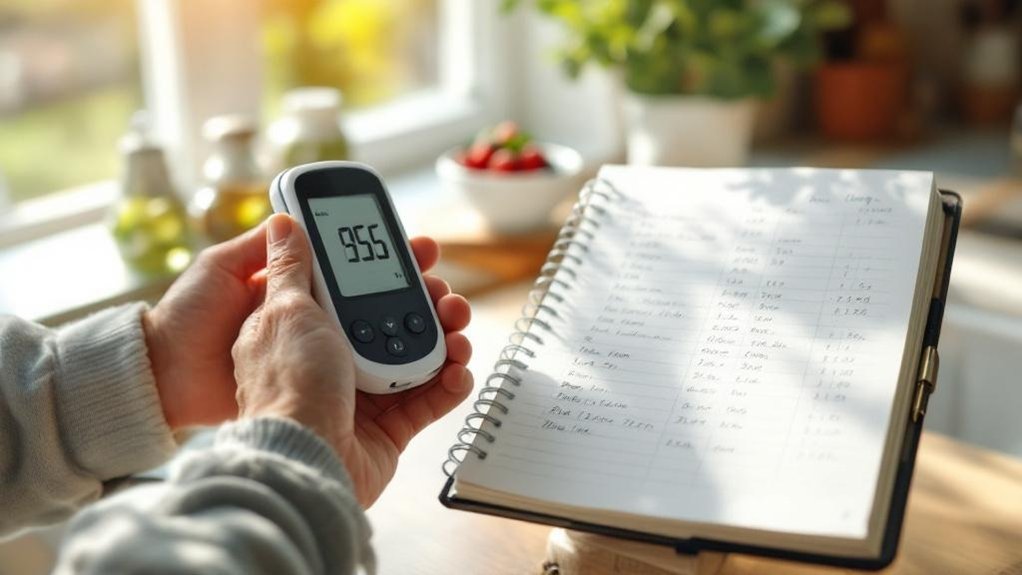
Monitoring your blood glucose at strategic times—before and after meals, at bedtime, and during physical activity—provides essential data about your body’s patterns. Your logbook trends reveal valuable connections between glucose levels and daily activities, helping you identify when adjustments to medication, diet, or exercise may be needed. For more thorough insights, continuous glucose monitoring systems offer real-time tracking that captures fluctuations traditional testing might miss, particularly overnight patterns and post-meal responses. Modern Bluetooth-connected meters paired with mobile applications have demonstrated significant A1C reductions without requiring complex structured monitoring protocols. Using a continuous glucose monitoring system like the Dexcom G6 Transmitter can simplify diabetes management with its real-time data and customizable alerts.
Times To Check Glucose
When should you check your blood glucose levels throughout the day? Establish a consistent testing schedule that includes fasting checks first thing in the morning before eating to assess overnight control. Pre-meal testing helps you evaluate baseline glucose and make medication adjustments, aiming for 80-130 mg/dL. Post-meal assessments, taken two hours after starting a meal, should target below 160-180 mg/dL to understand your body’s response to food.
If you’re using insulin, monitor before and after physical activity and check at bedtime (target: 100-140 mg/dL). Increase testing frequency during illness, medication changes, or stress. Regular testing provides valuable long-term insights for your healthcare team to make appropriate adjustments. Those using continuous glucose monitors should aim for time in range >70% between 70-180 mg/dL. Remember, your healthcare provider may recommend a personalized testing schedule based on your specific needs.
Reading Logbook Trends
Pattern recognition forms the cornerstone of effective diabetes management. When reviewing your logbook, look for recurring glucose patterns such as morning highs, post-meal spikes, or overnight lows. Effective logbook organization with columns for time, glucose readings, medication, meals, and activity creates visual clarity that simplifies pattern recognition.
Pay special attention to similar timeframes across multiple days—these reveal trends that might otherwise go unnoticed. For example, consistent high readings before breakfast may indicate dawn phenomenon, while post-dinner drops could reflect evening exercise effects. Observing these trends offers valuable glucose level insights that help you understand how your daily choices impact your metabolism.
Your detailed records provide the evidence needed for targeted adjustments. When shared with your healthcare team, these patterns enable collaborative decision-making about insulin timing, meal composition, or activity modifications—connecting you with personalized care solutions that improve your overall glucose management.
Continuous Glucose Monitoring
Continuous glucose monitoring (CGM) represents a significant advancement in diabetes management technology, offering you extensive insight into your glucose patterns beyond what traditional fingerstick testing can provide. CGM sensors, typically worn on the arm or abdomen, transmit up to 288 daily readings directly to your smartphone, providing real-time feedback on how your body responds to food, activity, and medication.
The technology’s customizable alerts warn you of impending hypo- or hyperglycemia, allowing for proactive intervention. Studies show CGM reduces hypoglycemia incidents from 4.75% to 0.78% while improving time in range from 40% to 62%. Through thorough data analysis, you’ll identify trends that inform treatment decisions. Many systems offer remote access for healthcare providers to enhance patient education and make therapy adjustments without office visits – integrating technology seamlessly into your diabetes management routine. Medicare now provides coverage for CGM devices under the Durable Medical Equipment benefit, making this valuable technology more accessible to older adults with diabetes.
Practice Mindful Eating and Portion Awareness

Mindful eating represents a powerful approach for diabetes management, shifting focus from restrictive dietary rules to developing a conscious relationship with food. By paying purposeful attention to your eating experience, you’ll naturally improve blood glucose regulation and make healthier food choices.
This practice encourages you to eat slowly, savor each bite, and recognize genuine hunger and fullness cues. Research shows mindful eating can reduce A1c levels by an average of 0.83% while decreasing consumption of sugars and increasing fiber intake. Mindfulness-Based Eating Awareness Training has shown effectiveness in weight management outcomes comparable to traditional diabetes education approaches.
Incorporate portion mindfulness by using your internal awareness rather than strict measurements. Mindful snacking helps prevent overconsumption between meals. By removing distractions during meals and checking in with your body’s signals, you’ll join countless others who’ve transformed their diabetes management through this sustainable approach.
Develop a Sustainable Weight Management Plan
Making small, incremental changes to your diet and exercise routines can yield significant improvements in your glucose control while supporting sustainable weight management. You’ll benefit from documenting your food intake, physical activity, and weight measurements in a journal or mobile app to identify patterns and maintain accountability. Tracking your progress allows you to celebrate small victories and make timely adjustments to your plan, increasing your likelihood of long-term success in managing both your weight and diabetes. Consider setting a realistic goal of ≥5% weight loss for meaningful health benefits if you have overweight or obesity with type 2 diabetes.
Small Changes Matter
When it comes to managing diabetes effectively, small changes in your daily routine can yield significant long-term benefits. Research shows that modest adjustments—like reducing your daily intake by just 100 calories—can prevent weight gain over a three-year period. These gradual changes are often more sustainable than drastic lifestyle overhauls. Even short-term lifestyle interventions lasting 6 months or less have been shown to effectively achieve weight loss and potentially reduce chronic disease risk.
Track Your Progress
Tracking your progress consistently serves as a cornerstone for developing an effective diabetes management plan. Research shows that consistent trackers achieve more significant weight loss and better glycemic control compared to those who track rarely. When you monitor your glucose patterns, dietary choices, and physical activity, you gain valuable insights into how your body responds to different interventions.
Modern tracking tools like Continuous Glucose Monitors (CGMs) provide real-time data that goes beyond simple calorie counting, revealing how specific foods impact your glucose levels. These personalized insights allow you to make evidence-based adjustments to your routine. For optimal health outcomes, aim to maintain your post-meal blood sugar spikes under 140 mg/dL. Consider integrating digital health platforms that combine progress tracking with personalized feedback—studies show these approaches can support modest weight loss while improving insulin sensitivity, particularly for those with prediabetes.
Prioritize Quality Sleep

Quality sleep represents a critical yet often overlooked component of effective diabetes management. Research shows a U-shaped relationship between sleep duration and diabetes risk, with ideal sleep around 7 hours nightly. Both sleeping less than 6 or more than 9 hours considerably increases your risk.
Poor sleep quality affects 53% of diabetic patients and directly impacts glycemic control by altering insulin sensitivity and glucose metabolism. Sleep deprivation increases stress hormones and inflammation, compromising your body’s metabolic functions. Disrupted circadian rhythms from irregular sleep patterns further exacerbate these issues. The relationship between sleep and diabetes is bidirectional in nature, with diabetes symptoms like frequent urination often disrupting sleep quality.
To improve your diabetes management, implement consistent sleep hygiene practices: maintain regular sleep hours, create a comfortable sleep environment, and limit stimulants. If you experience persistent sleep problems, seek professional evaluation—addressing sleep disorders is an essential part of your diabetes care regimen.
Implement Effective Stress Reduction Techniques
Stress management represents an essential component of thorough diabetes care, as chronically elevated stress hormones directly impact blood glucose control. Research shows that implementing stress reduction techniques like progressive muscle relaxation and mindfulness practices can lower your A1C by approximately 0.84% and reduce stress-related glucose spikes.
You’ll find greater success in your diabetes intervention when you incorporate regular mindfulness techniques such as yoga, deep breathing, or meditation into your daily routine. These practices decrease cortisol levels and improve insulin sensitivity. Effective coping strategies, including balancing work with leisure time and focusing on positive thoughts, can double your adherence to self-management routines. Health education programs that include emotional support components provide you with essential tools for managing both the physiological and psychological aspects of diabetes care.
Stay Consistent With Medication and Treatment

Consistent medication adherence presents one of the most crucial challenges in diabetes management, with studies showing that 20-60% of patients with type 2 diabetes fail to take their prescribed medications as directed. This non-adherence directly impacts your glycemic control, with at least 45% of patients not reaching target HbA1c levels.
To improve your medication consistency, implement practical adherence strategies such as pill organizers, smartphone medication reminders, and simplified dosing schedules. Consider using mail-order pharmacies, which correlate with better adherence rates than retail options. If cost represents a barrier, discuss assistance programs with your healthcare provider—lower out-of-pocket expenses greatly improve consistency. Remember that medication adherence works synergistically with dietary compliance (65%) and exercise adherence (19%) to optimize your diabetes management and reduce long-term complications.
Schedule Regular Health Check-ups
Regular health check-ups form the cornerstone of effective diabetes management, with research showing they can reduce hospitalization risk and improve long-term outcomes. These appointments aren’t optional—they’re essential preventive care that helps maintain target HbA1c, blood pressure, and cholesterol levels.
Your thorough check-up schedule should include quarterly visits with your healthcare provider, annual dilated eye exams, kidney function tests, and routine foot examinations. The check-up importance can’t be overstated—each screening provides valuable data for adjusting your treatment plan and catching complications early.
Frequently Asked Questions
Can I Drink Alcohol if I Have Diabetes?
Yes, you can consume alcohol with diabetes if you follow drink moderation guidelines. Limit to 1-2 drinks daily, always eat while drinking, and monitor your blood sugar levels closely.
How Do Travel and Time Zone Changes Affect Diabetes Management?
Time zone changes disrupt your medication schedule and glucose levels. Monitor blood sugar every 4-6 hours when traveling, adjust insulin timing gradually, and stay hydrated for more stable control during your journey.
What Are the Best Snacks for Nighttime Low Blood Sugar?
Choose nutrient dense options like a protein-fat combination (nuts with cheese) or low sugar alternatives such as Greek yogurt with berries. You’ll prevent nocturnal hypoglycemia while maintaining stable blood glucose.
How Does Menopause Impact Diabetes Control in Women?
During menopause, you’ll experience hormonal fluctuations that increase insulin resistance and blood sugar variability. Menopause symptoms like sleep disruption and weight gain further complicate diabetes management, requiring medication adjustments and closer monitoring.
Can Vitamin Supplements Improve Insulin Sensitivity?
Yes, certain supplements can improve your insulin sensitivity. Research shows vitamin D supplementation greatly reduces insulin resistance markers. You’ll also find magnesium benefits glucose metabolism, though evidence varies across different supplements.
Conclusion
You’ve now learned evidence-based strategies for diabetes management that extend beyond medication alone. By incorporating these ten habits into your daily routine, you’ll establish a foundation for improved glycemic control. Research indicates that consistent implementation of these practices can greatly reduce long-term complications and enhance quality of life. Remember that small, sustainable changes yield measurable improvements in HbA1c levels and overall metabolic health.