

Yes, nuts are excellent for a diabetic diet. Research shows they help regulate blood sugar levels, with 28-56g daily reducing HbA1c by about 0.07%. Their combination of healthy fats, protein, and fiber slows carbohydrate absorption and promotes satiety without significant glucose spikes. Nuts also provide cardiovascular protection, with regular consumption lowering heart disease risk by up to 17%. Let’s explore how to incorporate these nutritional powerhouses into your meal plan.
Key Takeaways
- Nuts significantly reduce postprandial blood sugar spikes and can lower HbA1c levels by approximately 0.07% with regular consumption.
- The ideal serving of 28-56 grams daily provides optimal glycemic control when consumed before or with carbohydrate-containing meals.
- Regular nut consumption correlates with 17% lower cardiovascular disease risk and 34% decreased cardiovascular death risk in diabetics.
- Nuts’ combination of healthy fats, protein, and fiber increases satiety without promoting weight gain despite their calorie density.
- Almonds and pistachios show particularly strong benefits for blood glucose management and heart health in people with diabetes.
Nuts as Blood Sugar Regulators: The Scientific Evidence
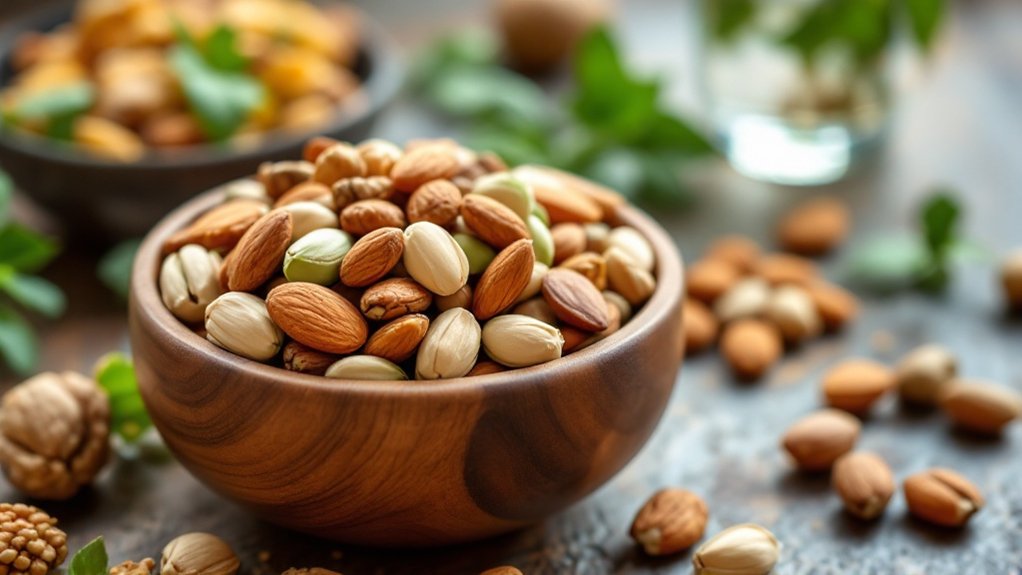
Evidence mounts for nuts as effective blood sugar regulators. Across nine studies, researchers have consistently found that consuming nuts with carbohydrate-rich meals considerably reduces postprandial blood sugar responses. This effect appears dose-dependent—higher amounts of nuts produce greater reductions in glucose levels.
Various nut types offer similar glycemic benefits. Almonds show improved glucose control in prediabetic individuals, while pistachios demonstrate considerable HbA1c and LDL cholesterol reductions in type 2 diabetes patients. Tree nuts, including walnuts, cashews, and macadamias, consistently deliver blood sugar management benefits. A meta-analysis of 12 randomized controlled trials showed that tree nut consumption at a median dose of 56 g/day significantly reduced glycosylated hemoglobin levels and fasting glucose in subjects with type 2 diabetes.
The mechanisms behind these effects include nuts’ beneficial combination of unsaturated fats, protein, and fiber. We’re particularly encouraged by meta-analyses showing that approximately 2 ounces daily, especially when replacing carbohydrate foods, can improve long-term glycemic control.
How Nuts Impact Glycemic Control and HbA1c Levels
Clinical studies have confirmed that consuming nuts can reduce HbA1c levels by approximately 0.07% when compared to control diets, with a median effective dose of 56g daily. Systematic reviews of randomized controlled trials have specifically shown that tree nuts can improve glycemic control in people with type 2 diabetes. We’ve seen that adding just 28g of almonds to high-carbohydrate meals markedly reduces postprandial blood glucose spikes in people with diabetes. Multiple dosage studies demonstrate that nuts provide progressive glycemic benefits when they replace high-glycemic index foods, rather than simply adding extra calories to the diet.
Postprandial Glucose Reduction
When blood sugar levels rise after a meal, having nuts as part of your diabetic diet can make a significant difference in your glycemic response. Research shows various nut varieties, particularly pistachios and almonds, reduce post-meal glucose in a dose-dependent manner—the more nuts consumed, the greater the blood sugar reduction.
Strategic meal timing matters too. Consuming about 30 grams of nuts before meals creates a buffering effect against glucose spikes, especially when paired with carbohydrate-rich foods like rice or pasta. This effect works through multiple mechanisms: nuts’ fiber slows carbohydrate absorption, while their protein-fat combination stimulates beneficial hormone responses. Clinical trials have demonstrated that consuming nuts regularly can improve hemoglobin A1C levels in patients with type 2 diabetes.
We’ve seen particularly strong results when nuts replace carbohydrate foods in diabetic meal plans, with benefits for both prediabetic individuals and those with type 2 diabetes.
HbA1c Improvement Metrics
Beyond immediate blood sugar responses, the long-term glycemic control measured by HbA1c represents a critical marker for diabetic health management.
Clinical evidence demonstrates that regular consumption of tree nuts can considerably lower HbA1c by 0.07% compared to control diets. The most effective approach involves consuming approximately 2 ounces (56 grams) daily for at least three months, with different nut varieties showing complementary benefits. Almonds and pistachios have demonstrated particularly promising results in randomized trials.
This improvement occurs through multiple mechanisms: nuts’ high fiber content enhances insulin sensitivity, their intact cell walls moderate glucose absorption, and their bioactive compounds positively influence gut microbiota. Recent research indicates that higher nut intake is associated with a significant decrease in triglyceride-glucose index measurements. Consumption patterns matter—replacing high-glycemic carbohydrates with nuts yields better results than simply adding them to existing diets. For ideal outcomes, we recommend maintaining consistent daily nut intake over extended periods.
Nut Dosage Effects
Scientific research reveals that the precise amount of nuts consumed plays a crucial role in their glycemic benefits for people with diabetes. Studies have identified 56 grams (about 2 ounces) daily as the median effective dose for significant improvements in glycemic control.
When choosing between various nut varieties, both tree nuts and peanuts demonstrate positive effects, though tree nuts show more consistent benefits for HbA1c and fasting glucose in diabetic populations. Ideal serving sizes range from 28-56 grams daily, with higher quantities producing more pronounced improvements. This is supported by clinical evidence showing nuts can effectively lower postprandial glycemia, especially when consumed alongside high glycemic index foods.
We’ve found that incorporating nuts works best when they replace high-glycemic carbohydrates rather than simply adding them to your existing diet. For measurable improvements in your HbA1c markers, consistent consumption for at least three weeks is necessary.
The Connection Between Nut Consumption and Heart Health for Diabetics
For people living with diabetes, the relationship between diet and heart health takes on profound importance. Research spanning over three decades of 16,000 adults with diabetes reveals compelling evidence that regular nut consumption markedly reduces cardiovascular risks.
The data is impressive—consuming five or more weekly servings of nuts correlates with a 17% lower risk of cardiovascular disease. Different nut varieties offer varying heart benefits, with tree nuts like walnuts, almonds, and pistachios showing the strongest protective effects compared to peanuts (technically legumes).
We’re particularly encouraged by findings that five weekly servings correlate with a 20% reduction in coronary heart disease risk and a remarkable 34% decrease in cardiovascular death risk. These benefits stem from nuts’ rich profile of unsaturated fats, fiber, vitamins, and minerals. Even newly diagnosed diabetics can see a 27% lower death risk by increasing nut intake following their diagnosis.
Finding Your Perfect Portion: How Many Nuts Should Diabetics Eat?
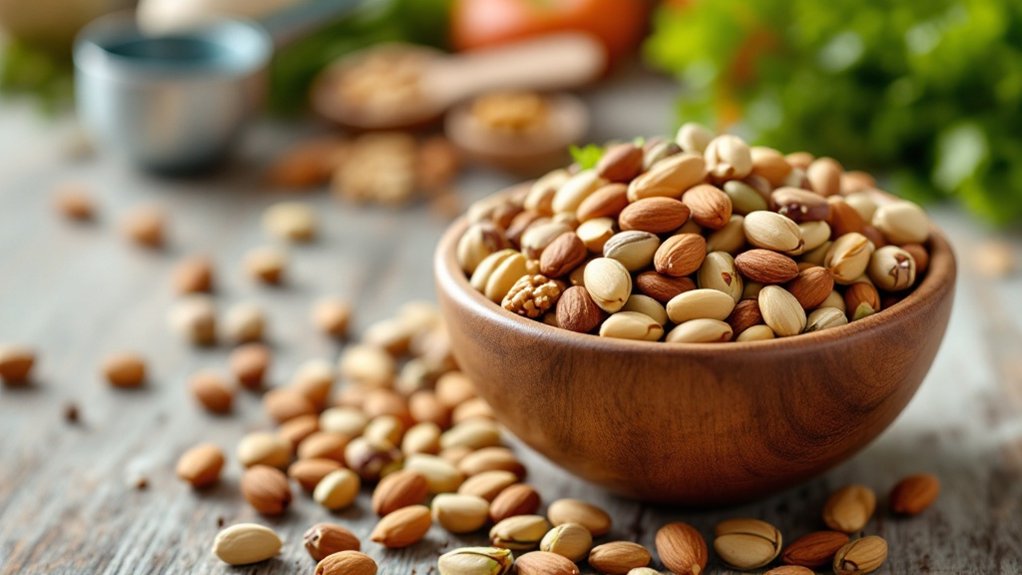
Three key questions arise when incorporating nuts into a diabetic diet: how much is enough, how much is too much, and how do you measure appropriate portions? Research consistently shows that 1-2 ounces daily provides ideal benefits for glycemic control and heart health without excess calories.
We recommend using simple hand-based nut portioning strategies for convenience: a cupped hand equals approximately one serving (1-2 ounces). This approach eliminates the need for measuring tools while maintaining portion control.
For personalized nut recommendations, consider your individual factors—weight, activity level, and overall carbohydrate targets. Remember to substitute nuts for higher-carb foods rather than adding them to your existing diet. A clinical study demonstrated that consuming 75 grams (about 2.5 ounces) of mixed nuts daily resulted in significant HbA1c reduction in type 2 diabetes patients. Monitor your blood glucose response to determine your ideal portion, as individual responses vary.
Best Types of Nuts for Managing Diabetes Symptoms
Now that you understand proper portions, let’s explore which specific nuts offer the greatest benefits for managing diabetes symptoms.
Research consistently shows that almonds, walnuts, and pistachios stand out among nut varieties for blood sugar control. Almonds reduce post-meal glucose spikes when paired with carbohydrates, while walnuts provide significant cardiovascular protection with just five weekly servings. Pistachios demonstrate exceptional glycemic management benefits.
For heart health—essential for diabetics—hazelnuts deliver rich unsaturated fats plus essential B vitamins, while macadamias offer concentrated antioxidants. Cashews provide exceptional iron, zinc, and magnesium levels vital for diabetes management. Brazil nuts are particularly beneficial as they contain high amounts of selenium that may improve insulin function and blood sugar levels.
The health benefits extend beyond blood sugar control. All these nuts contain anti-inflammatory compounds and antioxidants that combat diabetes-related inflammation, with research confirming they improve fasting glucose levels and enhance glucose metabolism.
Nuts for Weight Management: A Diabetic’s Secret Weapon
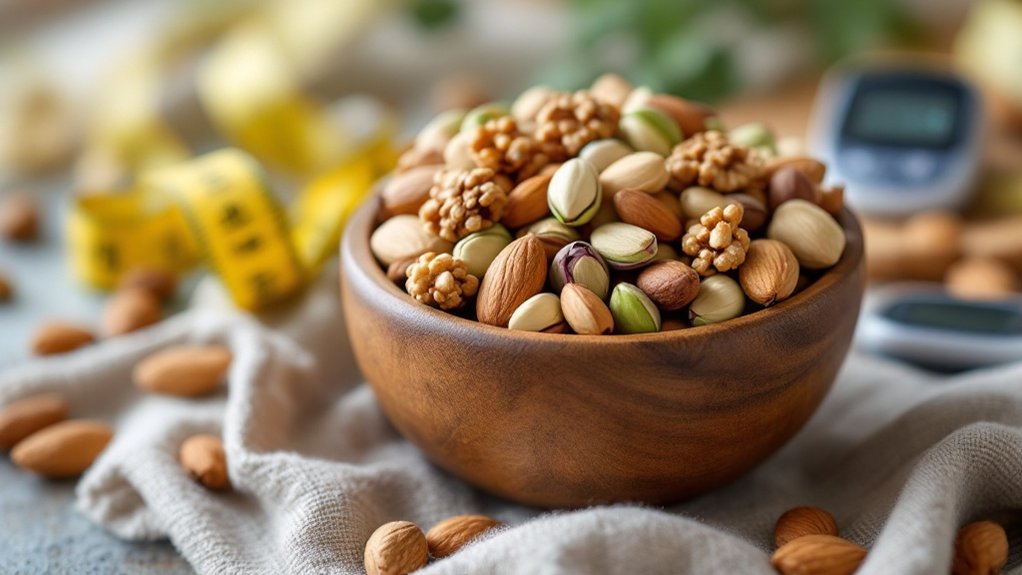
Although nuts are calorie-dense foods, they’re surprisingly beneficial for weight management—a crucial consideration for diabetics. With 60-90% of Type 2 diabetes attributable to obesity, the weight control nut benefits are impressive.
Research confirms that regular nut consumption doesn’t increase weight gain risk. A meta-analysis of 6 prospective studies (n=569,910) showed lower overweight/obesity incidence (RR 0.93) among nut eaters. Recent research showed that almond consumption led to sustainable weight loss while improving heart health markers in overweight individuals.
Why this paradox? Nuts’ high protein and fiber content increases satiety and thermogenesis, while promoting proper portion control naturally. Their low glycemic properties prevent blood sugar spikes that trigger fat storage.
We’ve seen how nuts influence gut microbiota and metabolic pathways that regulate weight independently of calories. For diabetics seeking sustainable weight management, nuts truly are a secret weapon worth incorporating.
The Nutritional Powerhouse: What Makes Nuts Beneficial for Diabetes
Nutritional excellence is the hallmark of nuts for diabetic patients, with their unique composition delivering multiple pathways to improved glycemic control. We’ve observed that various nut varieties pack monounsaturated fats, protein, fiber, vitamins, and minerals that work synergistically to regulate blood sugar levels.
Clinical studies confirm that consuming just 56g of nuts daily can considerably reduce HbA1c by 0.07% and improve fasting glucose. Their low carbohydrate content combined with essential nutrients helps maintain satiety without spiking blood sugar. Different cooking methods don’t diminish these benefits—whether raw, roasted, or incorporated into meals, nuts consistently reduce postprandial glycemia.
Research has shown that nuts can effectively replace carbohydrates in diabetic diets, resulting in improved lipid profiles and better dysglycemia management. What’s remarkable is the dose-dependent response: more nuts progressively decrease glycemic impact, making them a perfect addition to your diabetes management toolkit.
Incorporating Nuts Into Your Diabetic Meal Plan
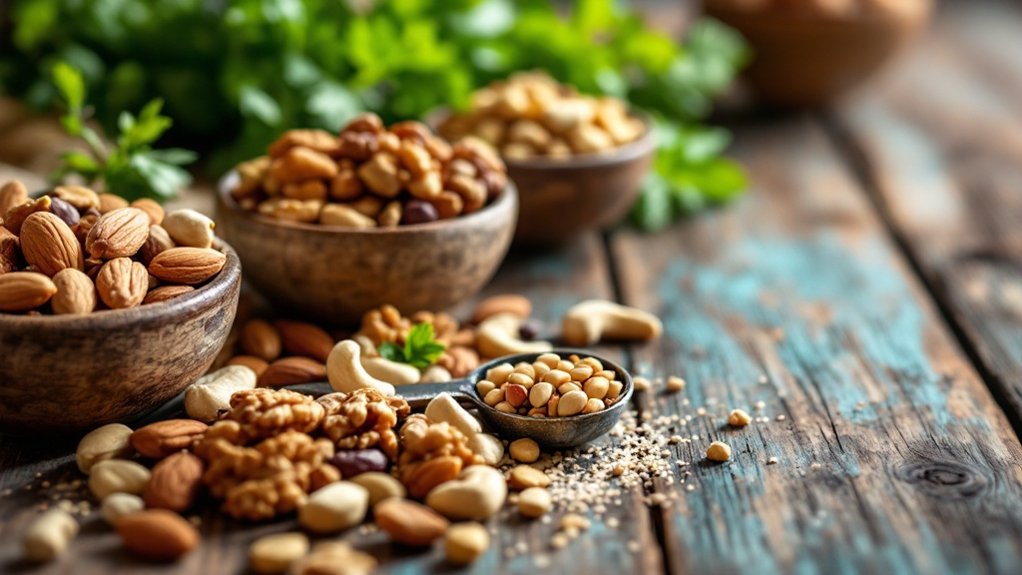
Successful integration of nuts into your diabetic meal plan requires strategic thinking about timing, portions, and food combinations. We recommend distributing your nut consumption throughout the day rather than consuming large amounts at once. A standard serving equals 1 ounce—approximately 23 almonds or 14 walnut halves.
For ideal blood glucose management, incorporate various nut varieties as planned snacks when meal gaps exceed 5 hours. Try pairing nut butter with apple slices or adding nuts to your breakfast with at least two other food groups for sustained energy. Choose nuts that contain good fats like avocados and olive oil to support heart health while managing diabetes.
Pre-portion nuts into containers for grab-and-go convenience, and position them in the protein section of your diabetes plate method. Track your response by monitoring glucose levels before and after consumption, adjusting your approach based on your body’s unique needs.
Potential Risks and Considerations When Adding Nuts to a Diabetic Diet
While nuts offer substantial benefits for diabetics, they come with several important considerations that require careful attention. Portion control is essential due to their high caloric density—just one ounce contains 160-200 calories, which can impact weight management and potentially worsen insulin resistance if overconsumed.
We recommend avoiding flavored varieties, particularly honey-roasted or salted options that add unnecessary sugars and sodium intake. Be mindful of potential digestive issues like bloating from their high fiber content, and discuss possible medication interactions with your healthcare provider, as nuts’ magnesium content may affect certain diabetes medications. Clinical studies consistently demonstrate that nuts can help in diabetes prevention strategies when incorporated as part of a balanced diet.
Don’t forget practical concerns—nut allergies can be life-threatening, cost considerations may limit consistent inclusion in your diet, and proper storage tips include keeping nuts in airtight containers to prevent rancidity.
Frequently Asked Questions
Are Flavored or Roasted Nuts Safe for Diabetics?
Yes, we recommend plain roasted nuts for diabetics. While flavored nuts may contain added sugars or sodium, unsalted roasted nuts offer low glycemic benefits that won’t spike your blood sugar levels.
Can Diabetics Eat Nut Butters as an Alternative?
Nut butters offer excellent benefits for diabetes management through their low glycemic index. We recommend practicing portion control—stick to about 2 tablespoons to enjoy their blood sugar-stabilizing properties.
How Do Nuts Affect Medication Timing for Diabetics?
Nuts can slow medication absorption as they delay carbohydrate digestion. We recommend consulting your healthcare provider about adjusting medication timing when incorporating nuts to better manage your blood sugar levels.
Are Nuts Recommended for Gestational Diabetes During Pregnancy?
Yes, we recommend nuts for gestational diabetes during pregnancy. They’re safe and beneficial for pregnancy nutrition, helping maintain stable blood sugar levels while providing essential nutrients for you and your baby’s development.
Can Diabetics With Nut Allergies Find Similar Benefits Elsewhere?
Yes, you can find comparable benefits in seed alternatives like sunflower and pumpkin seeds, plus legume options such as roasted chickpeas. We’ve seen these provide similar fiber, protein, and healthy fats for blood sugar management.
Conclusion
We’ve seen how nuts can be valuable additions to a diabetic diet. Their low glycemic impact, heart-healthy fats, and nutrient density make them excellent choices when consumed in appropriate portions. While individual responses may vary, research consistently supports their role in blood sugar management. At Diabetic Supplies Hub, we’re committed to helping you make evidence-based choices that support your overall diabetes management plan.