

Glucose tablets are your first-line defense for hypoglycemia (blood sugar below 70 mg/dL), delivering pure glucose that enters your bloodstream within minutes. When experiencing symptoms like shakiness or confusion, take 3-4 tablets (15g carbohydrates), chew thoroughly, and recheck levels after 15 minutes. Their precise dosing, portability, and room-temperature stability make them superior to juice or candy. The following emergency protocol could save your life during a diabetic crisis.
Key Takeaways
- Glucose tablets rapidly raise blood sugar within minutes, providing pure glucose that enters the bloodstream faster than other sugar sources.
- During hypoglycemia, administer 3-4 tablets (15g carbohydrates) if the person is conscious, then recheck glucose after 15 minutes.
- Each tablet contains a precise 4-gram dose, eliminating guesswork and enabling accurate management during cognitive impairment.
- Tablets are portable, require no refrigeration, and remain stable in various environments for immediate emergency access.
- Alternative options include modern glucagon delivery systems like Gvoke HypoPen and Baqsimi nasal spray for unconscious individuals.
Understanding Hypoglycemia and Its Dangers
Hypoglycemia occurs when blood glucose levels fall dangerously low—typically below 70 mg/dL for diabetics—triggering a cascade of physiological responses that can quickly become life-threatening. You’ll likely experience early warning signs like shakiness, sweating, hunger, and irritability before progressing to more severe symptoms including confusion, slurred speech, and potential unconsciousness. Using blood glucose test strips can provide a fast and reliable method for confirming your glucose levels during these emergencies.
Several risk factors increase your vulnerability, including insulin usage, skipped meals, excessive exercise, and alcohol consumption. Type 1 diabetics face triple the risk compared to those with type 2. The long-term effects can be devastating—repeated episodes may lead to hypoglycemia unawareness, where your body fails to signal dropping glucose levels. Your brain, entirely dependent on glucose for function, can suffer permanent neurological damage from severe or prolonged events, making prompt recognition and treatment essential to your wellbeing. The “15-15 rule” provides a structured approach for treating mild to moderate hypoglycemia by consuming 15 grams of carbohydrates and rechecking blood sugar after 15 minutes.
What Makes Glucose Tablets an Effective Treatment
Glucose tablets deliver pure glucose that enters your bloodstream within minutes, providing the fastest possible relief during a hypoglycemic crisis. You’ll benefit from their precise dosing—typically 4 grams per tablet—allowing you to administer exactly the recommended 15 grams without guesswork. Their compact, shelf-stable format guarantees you can carry this potentially life-saving treatment anywhere, maintaining constant preparedness for unpredictable blood sugar crashes. Clinical studies consistently show they provide reliable symptom relief compared to alternative sugar sources like fruit juice or candy.
Rapid Blood Sugar Boost
When your blood sugar plummets dangerously low, you’ll need a rapid intervention that works consistently and efficiently. Glucose tablets provide exactly that through their rapid absorption capabilities—raising blood glucose levels within approximately 15 minutes.
Unlike dietary sugars like sucrose or fructose, these tablets contain pure glucose that your body can immediately utilize without additional processing. The tablets typically contain 4 grams of glucose each, making dosage calculation straightforward for emergency situations. This rapid absorption mechanism explains their superior glucose efficacy compared to alternatives like juice or candy.
Clinical studies confirm that glucose tablets consistently outperform other carbohydrate sources in quickly alleviating hypoglycemic symptoms. This reliability is why healthcare guidelines recommend them as first-line treatment for hypoglycemia.
For fellow diabetics steering through the challenges of blood sugar management, having these portable, prescription-free tablets readily available can mean the difference between a quick recovery and a medical emergency.
Precise Dose Control
Among the most significant advantages of using glucose tablets for hypoglycemic episodes is the unparalleled precision in dose administration they offer. Each tablet delivers exactly 4 grams of carbohydrate, enabling you to follow the critical 15-15 rule with confidence—consume 15g, wait 15 minutes, then recheck.
Unlike juice or candy with variable sugar content, tablets provide glucose consistency that eliminates guesswork. You’ll appreciate how this standardization supports incremental dose titration when additional treatment is needed. This precision is especially important for patients who experience Level 2 hypoglycemia, defined as plasma glucose below 54 mg/dL requiring immediate intervention. Simply take more tablets at precise 15-minute intervals if your blood glucose remains low.
The stable formulation maintains potency across various environments, ensuring reliable treatment whether you’re at home or on the go. This predictable pharmacokinetic profile means faster absorption without the variability introduced by fat or fiber in other carbohydrate sources.
Portability Saves Lives
The life-saving advantage of portability cannot be overstated when managing hypoglycemic emergencies. Glucose tablets‘ compact, lightweight design guarantees you’ll always have treatment within reach—in your pocket, purse, or gym bag—creating a vital safety net during unexpected blood sugar crashes.
This tablet accessibility eliminates preparation barriers when cognitive function is compromised. Unlike juice or candy, these pre-measured 4-gram doses enable precise administration of the recommended 15 grams of carbohydrate without guesswork, even in stressful situations. Research confirms that 20g of glucose produces significant and more sustainable increases in blood glucose levels for effective hypoglycemia correction.
Your emergency preparedness is enhanced by their stability across environments, requiring no refrigeration or special storage. This empowers you to maintain consistent protection during all activities. The discrete, durable nature of glucose tablets guarantees your treatment remains reliable whenever and wherever hypoglycemia strikes.
Comparing Glucose Tablets to Other Sugar Sources
When treating hypoglycemia, you’ll find that glucose tablets provide faster blood sugar elevation than fruit juice or candy due to their pure glucose composition being absorbed more quickly into the bloodstream. Unlike household sugars or juices that contain variable carbohydrate amounts, glucose tablets offer precise 4-gram doses that allow you to follow the “Rule of 15” with greater accuracy. This standardized dosing combined with portability makes glucose tablets a more reliable emergency intervention, though they must be followed by longer-acting carbohydrates to prevent blood sugar from dropping again. The rapid absorption of glucose helps prevent severe complications that can occur when blood glucose levels fall dangerously low.
Speed vs. Absorption Rate
Different sugar sources can vary dramatically in how quickly they raise blood glucose levels during hypoglycemic emergencies. Glucose tablets offer superior absorption mechanics compared to dietary sugars, providing faster symptomatic relief within 15 minutes post-ingestion. This efficiency stems from their pure glucose content, which enters your bloodstream directly via small intestinal transporters without requiring enzymatic conversion.
When you’re experiencing a low, route of administration matters considerably. Sublingual placement partially bypasses digestive processes, while liquids outpace solid forms in absorption speed. Despite some evidence suggesting sublingual glucose administration results in higher blood glucose levels compared to oral administration in specific populations, oral glucose remains the standard recommendation for first aid. The dosage variability of natural sugar sources presents another challenge—glucose tablets deliver precisely measured 4-gram carbohydrate units, eliminating guesswork during emergencies.
For fellow diabetes managers seeking reliable hypoglycemia treatment, glucose tablets represent the ideal balance of standardized dosing, rapid absorption, and predictable blood glucose response.
Precision vs. Convenience
Managing hypoglycemia effectively requires balancing precision with convenience, particularly when selecting appropriate treatment options. Glucose tablets offer significant precision benefits, containing exactly 4-5 grams of glucose per tablet, enabling accurate dosing for the “15-15 rule” and reducing the cognitive burden during emergencies.
While dietary sugars like juice or candy might seem more accessible, they present convenience trade-offs. Their variable carbohydrate content makes precise dosing difficult, potentially leading to under or overdosing. A 2017 research review demonstrated that glucose tablets provide better hypoglycemic relief than dietary sugars for treating low blood sugar episodes. Glucose tablets, being lightweight and portable, eliminate the need for refrigeration or messy handling associated with alternatives like honey or juice.
For those seeking reliable hypoglycemia management, glucose tablets provide both precision and convenience advantages—offering faster symptom relief, consistent dosing, and the ability to incrementally adjust treatment based on individual response patterns.
The Science Behind Fast-Acting Glucose
Fast-acting glucose forms the cornerstone of emergency hypoglycemia treatment due to its rapid cellular uptake and metabolic activation. When you consume glucose tablets, these monosaccharides are quickly absorbed in your small intestine, bypassing the digestive processes required for complex carbohydrates.
Once in your bloodstream, glucose molecules undergo immediate phosphorylation by hexokinase-1, converting them to glucose-6-phosphate—a critical first step in glucose metabolism. This reaction traps glucose inside your cells, initiating glycolysis. Normal fasting blood glucose levels range from 80 to 90 mg/dl, and the body works diligently to maintain this range for optimal functioning. Through this 10-step enzymatic pathway, your body generates ATP, the energy currency needed to reverse hypoglycemic symptoms.
The efficiency of this process explains why pure glucose works faster than other carbohydrates. Your brain, which relies almost exclusively on glucose for energy production, responds rapidly as blood glucose levels normalize.
How to Properly Use Glucose Tablets During a Low
When your blood glucose drops below 70 mg/dL, you’ll need to consume 15 grams of carbohydrates—typically 3-4 glucose tablets—then wait 15 minutes before retesting. For best results, chew the tablets thoroughly rather than swallowing them whole, as this accelerates glucose absorption into your bloodstream. Keep an emergency protocol checklist in your glucose tablet case that outlines the steps to take if your initial treatment doesn’t raise your blood sugar to safe levels within 15 minutes. If blood sugar readings remain below 70 mg/dL after the initial treatment, you should continue the 15-15 rule until readings normalize.
Dosage and Timing
The proper dosage and timing of glucose tablets are critical factors in effectively treating hypoglycemic episodes. For most adults, the standard protocol is 15 grams of fast-acting carbohydrate—typically 3-4 glucose tablets (4g each). After consumption, wait precisely 15 minutes before rechecking your blood glucose.
If your reading remains below 70 mg/dL, implement strategic dosage adjustments by repeating the 15-gram dose. Continue this 15-15 rule (15 grams, 15 minutes) until your glucose normalizes. For timing strategies, remember to check glucose immediately upon recognizing symptoms and before treatment. Compared to chocolate or fatty foods, glucose tablets are significantly more effective as they provide pure glucose for rapid absorption.
Children may require modified dosages, so consult your healthcare provider for personalized guidelines. For maximal effectiveness, chew tablets thoroughly to accelerate absorption. We recommend keeping glucose tablets accessible at all times—you belong to a community that prioritizes preparedness.
Emergency Protocol Checklist
Responding to hypoglycemia effectively requires a systematic approach that can mean the difference between quick recovery and medical emergency. Your assessment checklist should begin with confirming low blood glucose via glucometer before proceeding.
Only administer glucose tablets when the person is conscious and able to swallow. Provide 3-4 tablets (15g carbohydrates), ensuring they’re thoroughly chewed. For unconscious individuals, glucose tablets are contraindicated—call emergency services immediately.
After administration, recheck glucose levels in 15 minutes. If readings remain below 70 mg/dL, administer another dose and continue monitoring until stabilized. Once improved, provide a protein/carbohydrate snack for sustained glucose levels.
Your emergency response should include regular training for family members and keeping glucose tablets readily accessible in multiple locations. The fear of low blood sugar episodes often creates a significant barrier to control for many patients managing their diabetes. Remember: proper preparation prevents potentially life-threatening situations.
When to Seek Medical Help Beyond Glucose Tablets
Recognizing situations that require professional medical intervention beyond the use of glucose tablets is critical for effective hypoglycemia management. When blood glucose drops below 54 mg/dL or you experience altered mental status, confusion, or loss of consciousness, immediate medical attention is necessary. Symptom recognition should trigger your emergency response plan.
Seek emergency care if you’re unresponsive to initial treatment with glucose tablets, unable to swallow safely, or experiencing persistent hypoglycemia despite intervention. Treatment response is your guide—if symptoms don’t improve within 15 minutes after glucose administration, don’t wait. Emergency medical services are equipped to administer IV dextrose when oral administration is contraindicated.
For those with frequent severe episodes, comorbidities, or unknown causes of hypoglycemia, hospital evaluation is warranted. Remember, severe hypoglycemia is a medical emergency that requires professional intervention when self-treatment proves insufficient.
Storing and Carrying Glucose Tablets for Emergencies
Proper storage and transportation of glucose tablets serve as critical components of effective hypoglycemia emergency preparedness. Store your tablets at room temperature (68°F-77°F), away from moisture and extreme conditions that compromise efficacy. Always keep them in their original storage containers or dedicated resealable containers to maintain freshness.
For daily management, verify tablets remain accessible—in pockets, purses, or desk drawers—rather than buried where you can’t quickly retrieve them during an episode. When traveling in extreme weather conditions, consider using a thermos rinsed with cold water to maintain proper temperature for your glucose tablets and other diabetes supplies. Travel tips include packing tablets in carry-on luggage, never checking them, and using multiple small containers distributed across your belongings. Replace tablets immediately if expired, damaged, or if you notice texture changes.
Training Family and Friends to Assist During Hypoglycemic Episodes
When someone you care about has diabetes, understanding how to respond during a hypoglycemic emergency isn’t just helpful—it’s potentially lifesaving. Effective family training begins with symptom recognition: shakiness, sweating, confusion, irritability, and blurred vision indicate mild hypoglycemia requiring 15g of fast-acting carbohydrates (3-4 glucose tablets). For unconscious patients or those unable to swallow, you’ll need to administer emergency glucagon via injection or nasal spray, then immediately call emergency services. Using a spill-resistant vial for test strips, like the SmartPack™ design, can make at-home glucose monitoring easier and reduce accidental test strip loss during these stressful situations.
Remember, beta-blockers may mask typical symptoms, complicating identification. After initial treatment, continue monitoring blood glucose levels, as rebound hypoglycemia can occur. Approximately 25% of diabetic patients experience repeated hypoglycemic episodes, making proper training for family members especially important. If symptoms persist after 15 minutes, repeat the carbohydrate dose and seek medical help if needed.
Document all episodes and share this information with healthcare providers to refine your emergency response protocols.
Preventive Strategies to Reduce Hypoglycemic Events
Effective prevention of hypoglycemic episodes requires a multifaceted approach that extends beyond reactive treatment.
You’ll need to monitor your blood glucose consistently, identifying patterns that trigger low blood sugar events. Establish a preventive nutrition plan with regular, balanced meals timed to complement your medication schedule. Avoid skipping meals, especially when using insulin or hypoglycemic agents.
Work with your healthcare provider on medication adjustments based on your unique glucose patterns. Reduce doses before planned exercise and individualize your glycemic goals to balance hypoglycemia prevention with overall control.
Develop a strategic approach to exercise by checking glucose levels before, during, and after physical activity. Consider additional carbohydrates to offset activity-induced drops in blood sugar.
Through education and consistent monitoring, you can greatly reduce hypoglycemic events and maintain better control.
Alternative Glucose Products for Special Situations
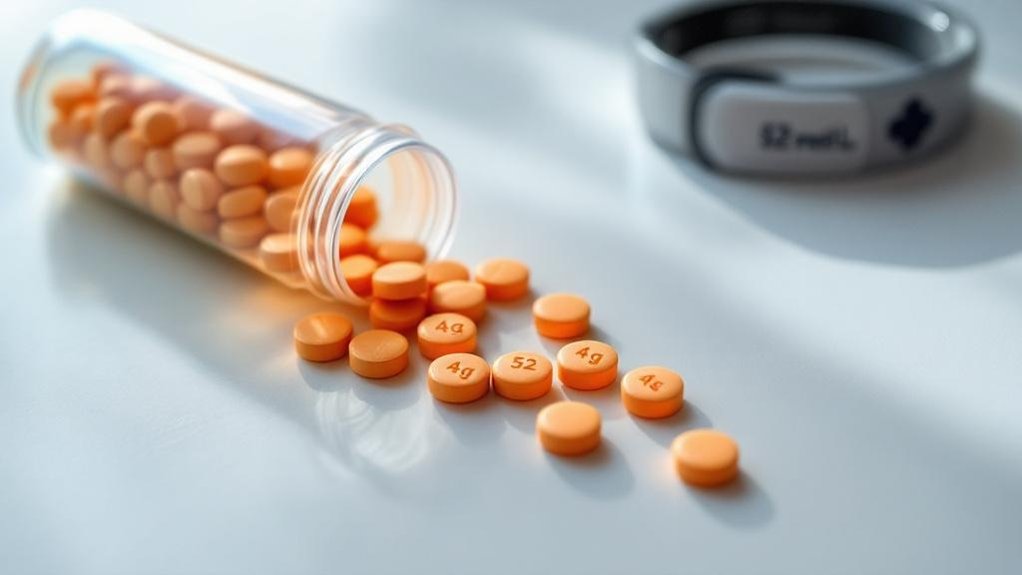
Managing hypoglycemia requires access to appropriate glucose delivery systems that match your specific situation and needs. Beyond standard glucose tablets, several treatment innovations offer advantages for specific scenarios.
For severe hypoglycemia, modern glucagon delivery systems like Gvoke HypoPen and Baqsimi nasal spray provide needle-free or auto-injection options that are 99% effective within 15 minutes—significantly faster than traditional kits. These products remain stable at room temperature for up to two years.
For those who struggle with chewing tablets during hypoglycemic episodes, glucose alternatives like TRUEplus gels deliver 15-24g of glucose in an easily consumable format without requiring chewing. Similarly, glucose shots offer quick delivery in liquid form, though with shorter shelf life than tablets.
Each format addresses unique challenges in our shared journey managing diabetes and hypoglycemia.
Frequently Asked Questions
Do Glucose Tablets Have an Expiration Date?
Yes, glucose tablets do have expiration dates. You’ll find these expiration indicators on packaging. Proper storage conditions affect longevity, so keep them cool and dry to maintain effectiveness for emergency use.
Can Children With Diabetes Use the Same Glucose Tablet Dosage?
No, children require adjusted dosages. For pediatric care, you’ll need to follow specific dosage guidelines: typically 3-4 glucose tablets for children, based on their weight and blood glucose readings.
Are There Sugar-Free Glucose Tablets for Carb-Conscious Diabetics?
No. True glucose tablets contain dextrose (sugar) by definition. While diabetic alternatives exist like glucagon kits, sugar substitutes cannot provide the rapid glucose elevation you need during hypoglycemic emergencies.
How Do Glucose Tablets Interact With Different Diabetes Medications?
Glucose tablet interactions vary by medication type. They’re compatible with metformin and non-secretagogues, but primarily counteract hypoglycemia from sulfonylureas, meglitinides, and insulin. You’ll need monitoring when using multiple diabetes medications together.
Can Glucose Tablets Be Used by Non-Diabetics During Hypoglycemic Episodes?
Yes, you can use glucose tablets for non-diabetic hypoglycemia management when confirmed with Whipple’s triad. They’re appropriate for mild episodes if you can swallow, but seek medical evaluation afterward.
Conclusion
You’ve now equipped yourself with essential knowledge about glucose tablets—the critical, rapidly absorbed intervention for hypoglycemic emergencies. They’re your most reliable defense against dangerous blood sugar crashes, offering measured glucose doses that outperform common alternatives. Don’t wait until you’re experiencing cognitive impairment; establish your hypoglycemia action plan now. Proper preparation, including strategic tablet placement and educating those around you, transforms potentially life-threatening situations into manageable events.