

Insulin lispro is a rapid-acting insulin analog with reversed amino acids at positions B28-B29, allowing it to dissociate quickly into active monomers. You’ll experience faster glucose uptake as it binds to insulin receptors and promotes GLUT4 transporter movement to cell membranes. It’s typically injected 15 minutes before meals and comes in U-100 and U-200 concentrations. Understanding its mechanism helps you manage postprandial glycemic control while minimizing hypoglycemia risk. Further exploration will reveal ideal integration with your diabetes management plan.
Key Takeaways
- Insulin lispro features reversed B28-B29 amino acids for faster glucose uptake after meals compared to regular insulin.
- Optimally administered 15 minutes before or immediately after meals for effective blood glucose control.
- Available in U-100 and U-200 concentrations via vials, KwikPens, and cartridges for subcutaneous injection.
- Reduces risk of nocturnal hypoglycemia due to its shorter duration while maintaining effective glycemic control.
- Requires regular monitoring for side effects including hypoglycemia, injection site reactions, and potential allergic responses.
What Is Insulin Lispro and How Does It Work?
Unlike regular human insulin, insulin lispro features a critical reversal of amino acids at positions B28 and B29, where lysine and proline have been strategically switched. This molecular modification weakens the tendency to form hexamers, allowing lispro to dissociate rapidly into active monomers after injection.
When you use insulin lispro, it binds to insulin receptors on your cells’ surfaces, activating tyrosine kinase and triggering a cascade of intracellular signaling. This insulin action promotes GLUT4 transporters to migrate to cell membranes, enhancing glucose uptake primarily in your muscle and fat tissues. This mechanism regulates blood glucose by promoting fatty acid production in adipose tissue, stimulating glycogen synthesis in the liver, and facilitating amino acid uptake intracellularly.
The pharmacokinetic properties of lispro are superior for mealtime coverage—appearing in your bloodstream within 15 minutes and peaking earlier than regular insulin, mimicking your body’s natural insulin response to food.
Clinical Benefits and Therapeutic Applications
The molecular design of insulin lispro translates into substantial clinical advantages for patients managing diabetes. You’ll experience improved postprandial glycemic control, with studies confirming its superior ability to reduce after-meal glucose excursions compared to regular human insulin.
When incorporated into your diabetes management plan, insulin lispro offers flexibility without compromising safety. For pump users, this translates to a clinically meaningful 0.34% reduction in A1c, potentially decreasing retinopathy progression risk by approximately 20%. The administration of insulin lispro requires patients to eat within 15 minutes of injection for optimal effectiveness.
Your risk of nocturnal hypoglycemia may decrease with lispro’s shorter duration profile. This rapid-acting analog excels in basal-bolus regimens, working synergistically with long-acting insulins to optimize patient outcomes. Whether you have type 1 or type 2 diabetes, lispro provides the physiologic insulin response essential for thorough glycemic management.
Dosage Forms and Administration Guidelines
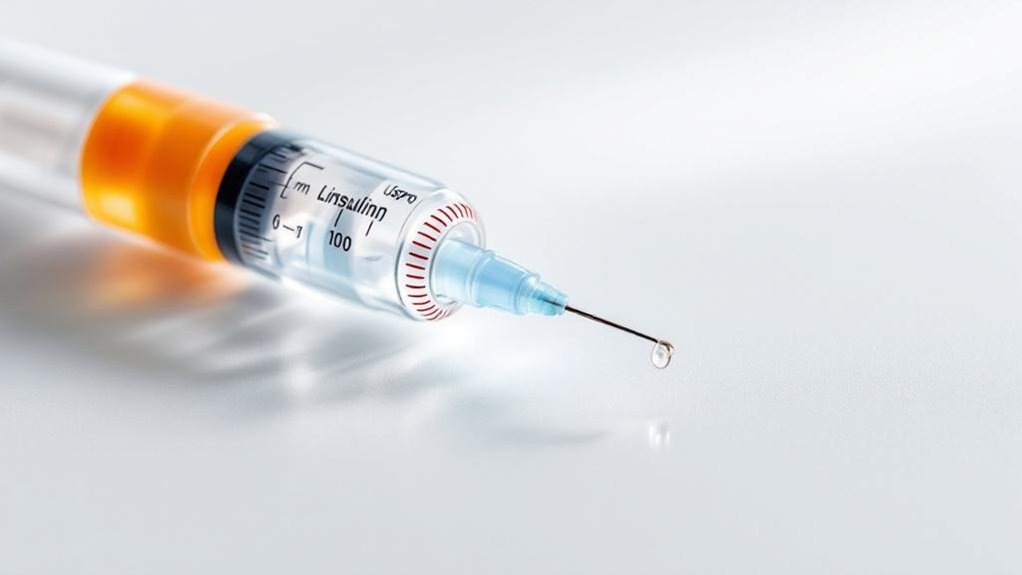
When managing diabetes with insulin lispro, you’ll find this rapid-acting analog available in two primary concentrations: 100 units/mL (U-100) and 200 units/mL (U-200). These dosage forms come in 10mL multi-dose vials, 3mL KwikPen devices, and cartridges for insulin delivery systems.
For ideal glycemic control, administer subcutaneous injections 15 minutes before or immediately after meals. Rotate injection sites among fatty tissue areas—abdomen, thighs, buttocks, and upper arms—to prevent lipodystrophy. While U-100 can be used in insulin pumps and (when diluted) intravenously in clinical settings, U-200 is approved for subcutaneous injection only. Always ensure the insulin solution is clear and colorless before administration.
Your dosage will be individualized based on metabolic needs, typically starting at 0.4-1 unit/kg/day for type 1 diabetes. The KwikPen delivers in 1-unit increments, while the Junior KwikPen offers 0.5-unit precision for finer dosage adjustment.
Managing Side Effects and Safety Considerations
Managing insulin lispro therapy successfully requires vigilant monitoring for potential adverse effects, as even minor side effects can markedly impact adherence and glycemic control. You’ll need to recognize hypoglycemia management as your top priority—symptoms like anxiety, dizziness, and sweating demand immediate treatment with fast-acting carbohydrates to prevent progression to unconsciousness or seizures.
Rotate your injection sites systematically to minimize lipodystrophy, which can affect insulin absorption. Be alert for allergic reactions ranging from mild rashes to severe anaphylaxis requiring emergency intervention. Monitor for hypokalemia, particularly if you have cardiac conditions, and track your weight, as insulin often promotes adiposity. Your healthcare provider should regularly assess these parameters, especially during pregnancy or if you’re taking TZDs concurrently, as these situations require heightened surveillance. Avoid consuming alcohol with Humalog as this combination can significantly increase your risk of experiencing hypoglycemic episodes.
Comparing Insulin Lispro With Other Diabetes Medications
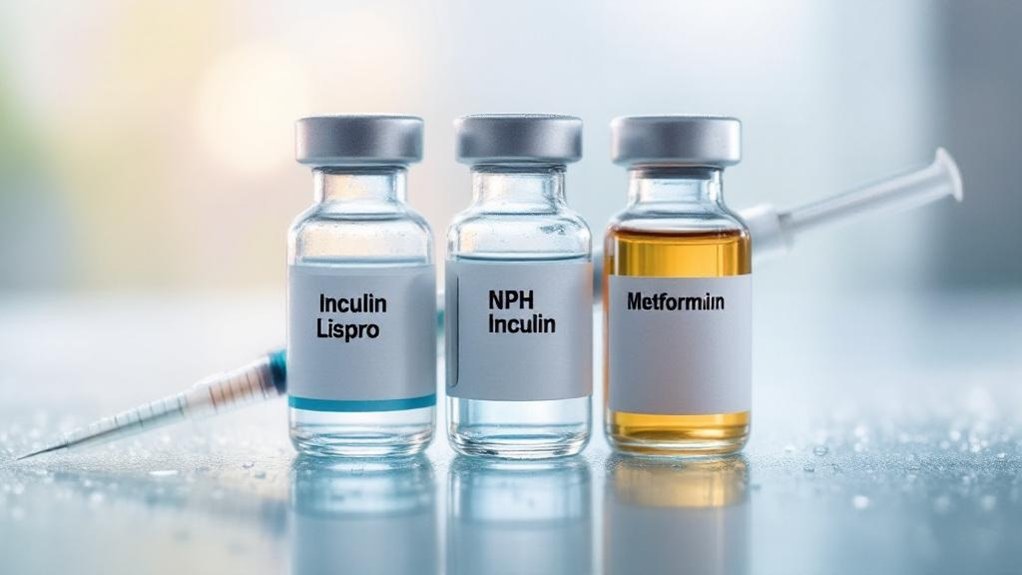
Understanding insulin lispro‘s place in your diabetes management regimen requires a comparative analysis with other available medications. As a rapid-acting insulin, lispro effectiveness surpasses oral medications like metformin for immediate glucose control, making it essential for many in our diabetes community.
When comparing insulin types, lispro absorbs slightly faster than insulin aspart (Novolog), reaching peak concentration sooner while maintaining comparable efficacy. Both are available in vials and prefilled pens that many of us find improves adherence to treatment protocols. Scientific studies have shown that lispro and aspart reach similar peak insulin levels of approximately 250-300 pmol/l within 30-60 minutes after injection.
Unlike oral agents that primarily address insulin resistance, lispro directly supplements your body’s insulin needs. While all rapid-acting insulins share similar safety profiles with hypoglycemia being the primary concern, cost considerations vary by insurance coverage and pharmacy pricing, with generic options now available for both lispro and aspart.
Frequently Asked Questions
Can Insulin Lispro Be Used During Pregnancy or Breastfeeding?
Yes, insulin lispro offers excellent pregnancy safety as it doesn’t cross the placenta. You’ll benefit from tight glycemic control while pregnant. Breastfeeding considerations indicate it’s compatible, though monitoring is recommended for ideal metabolic balance.
How Should Insulin Lispro Be Stored for Travel?
Store your insulin lispro at 59-86°F during travel, using insulated bags with cooling techniques to maintain potency. Avoid freezing or direct sunlight. Fellow travelers appreciate these evidence-based travel tips for ideal glycemic management.
Will Insurance Typically Cover the Cost of Insulin Lispro?
Most insurance plans cover insulin lispro, though coverage varies by policy. Your diabetes medication costs depend on your plan’s formulary tier and potential copays. Contact your insurer for specifics.
Can I Mix Insulin Lispro With Other Types of Insulin?
You can only mix insulin lispro with NPH insulin, not with other rapid-acting or long-acting insulins. When mixing insulins, follow the “clear before cloudy” rule and consider dosage considerations carefully for ideal metabolic control.
How Does Alcohol Consumption Affect Insulin Lispro’s Effectiveness?
Alcohol metabolism impairs your liver’s glucose production, potentially causing dangerous hypoglycemia when combined with insulin lispro. For safe diabetes management, monitor glucose levels closely and eat carbohydrates when drinking.
Conclusion
You’ve now grasped insulin lispro‘s role in your glucose homeostasis. This rapid-acting insulin analog provides precise postprandial glycemic control through its accelerated absorption profile and receptor binding kinetics. When incorporated into your therapeutic regimen, it’ll help maintain ideal β-cell supplementation and metabolic equilibrium. Remember, proper administration timing relative to carbohydrate intake is vital for preventing hypoglycemic episodes while maximizing insulin-mediated glucose disposal.