

Prioritize whole, minimally processed foods with high vitamin and mineral content relative to calories. Focus on leafy greens, fatty fish, cruciferous vegetables, legumes, nuts, and seeds. Shop the perimeter of grocery stores, read nutrition labels carefully, and watch for hidden sugars. Preserve nutrients through steaming, microwaving, or stir-frying rather than boiling. Aim for colorful plates with protein, fiber, and healthy fats at every meal. Proper food pairing enhances satiety and nutrient absorption.
Key Takeaways
- Focus on whole, minimally processed foods like leafy greens, lean proteins, nuts, and cruciferous vegetables for maximum nutrients per calorie.
- Read nutrition labels carefully, examining %DV for fiber and vitamins while avoiding added sugars and deceptive serving sizes.
- Shop the perimeter of grocery stores for fresh produce, and create organized lists prioritizing colorful vegetables and whole foods.
- Use nutrient-preserving cooking methods like steaming, microwaving, and stir-frying to maintain vitamin and mineral content.
- Create balanced meals with diverse colored vegetables, lean proteins, and whole grains following the MyPlate guide for proper proportions.
What Makes a Food Nutrient-Dense?
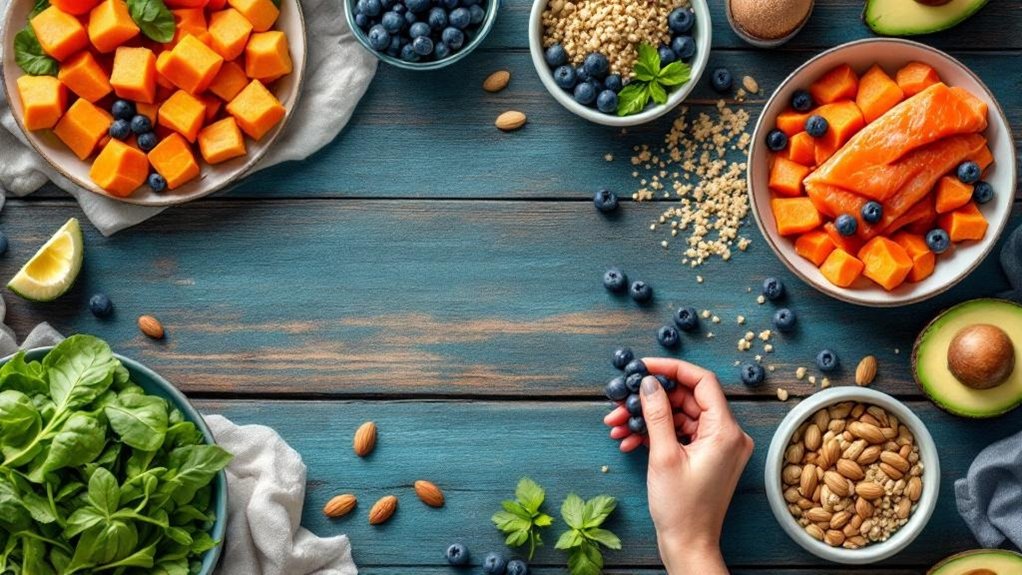
While the concept may seem complex, nutrient density simply refers to the amount of beneficial nutrients a food provides relative to its calories. When evaluating nutrient-dense options, look for foods rich in vitamins, minerals, protein, and fiber without excessive added sugars, sodium, or saturated fats.
Whole, minimally processed foods typically offer superior nutrient profiles compared to highly processed alternatives. Fortified foods can also be considered nutrient dense options when they’re enhanced with essential vitamins and minerals. For example, brightly colored fruits and vegetables, lean proteins, whole grains, nuts, and seeds deliver essential nutrients efficiently per calorie.
Remember that food processing can greatly impact nutrient density. Even nutritious base ingredients can lose their beneficial properties when refined or when sugars and unhealthy fats are added. By prioritizing foods that provide maximum nutrition with minimal caloric impact, you’ll join countless others making smart dietary choices for long-term health.
Top 10 Most Nutrient-Dense Whole Foods
Incorporating these ten nutrient powerhouses into your diet can dramatically improve your overall health and well-being. For maximum nutrient density, prioritize leafy greens like kale and spinach, packed with vitamins A, K, and antioxidants. Include protein-rich food sources such as salmon for omega-3s and quinoa for complete amino acids. Nuts and seeds—particularly walnuts, almonds, and chia—deliver essential fatty acids and minerals in compact packages. Adding cruciferous vegetables like broccoli and Brussels sprouts may provide anti-cancer properties while supporting overall health.
Don’t overlook legumes like lentils and black beans, which offer fiber and plant protein without saturated fat. Sweet potatoes provide beta-carotene while berries deliver antioxidants with minimal sugar impact. Rounding out your choices with avocados contributes healthy fats and potassium. These whole foods represent the gold standard of nutrient density, offering maximum nutritional benefit per calorie consumed.
Reading Nutrition Labels to Identify Nutrient Density
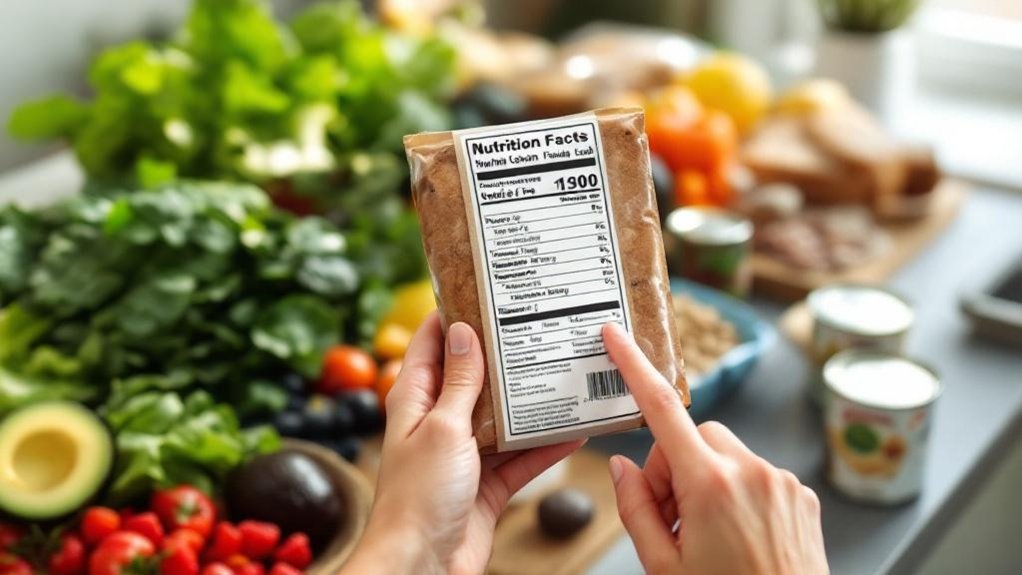
Understanding nutrition labels is essential when seeking nutrient-dense foods, as these labels provide critical information about what you’re actually consuming. Start with label interpretation by examining the %DV—aim for items high in fiber, vitamins, and minerals but low in sodium and added sugars.
Pay close attention to serving sizes, which may be deceptively small to improve caloric content appearance. For ingredient analysis, remember that ingredients are listed by weight; fewer whole ingredients typically indicate higher nutrient density. Watch for hidden sugars and food additives that appear under various names.
Don’t be misled by health claims like “low-fat”—they don’t necessarily indicate high nutrient density. Instead, make nutrient comparisons between similar products, considering fiber sources and processing levels to identify truly nutritious options. A useful guideline is that a %DV of 5% or less is considered low for a nutrient, while 20% or more is considered high.
Comparing Nutrient Density of Common Food Choices
When comparing nutrient density, you’ll find that making strategic food swaps—like choosing kale over iceberg lettuce or sardines over processed meats—can dramatically increase your nutrient intake without adding calories. You can effectively evaluate foods by examining nutrition labels for higher vitamin and mineral content relative to calories, not just focusing on single nutrients. The vibrant colors in foods like blueberries, spinach, and salmon often signal their rich antioxidant content and overall nutrient density, making them superior choices for your daily diet. Incorporating options such as pumpkin seeds into your meals provides a compact yet powerful source of iron and magnesium, supporting overall health while requiring minimal preparation.
Everyday Swaps Worth Making
Making simple food substitutions in your daily meals can dramatically improve your nutrient intake while helping manage blood sugar levels. Consider swapping white rice for barley to reduce energy intake by 100 kJ per cup while enjoying a lower glycemic index (27 vs. 70-90). Replace grapes with strawberries to halve calories while doubling fiber and multiplying vitamin C content eightfold.
For protein enhancement, incorporate seeds like chia and flax into meals, or substitute Greek yogurt for heavy cream in sauces. Swapping diet drinks for sparkling mineral water can help avoid increased appetite and reduce risks of type 2 diabetes. Trading chocolate cereals for wholegrain options and choosing fresh fruit over processed snacks creates significant everyday food swaps with substantial nutrient density benefits. Even replacing potatoes with cannellini beans doubles your protein intake while enriching meals with iron and magnesium—all while maintaining a much lower glycemic impact.
Reading Labels Effectively
Food labels provide your roadmap to making informed, nutrient-dense choices when traversing grocery aisles. Start by examining serving sizes, as nutrition information is calculated per serving. You’ll need proper label comprehension to compare similar products accurately.
Focus on limiting saturated fats, trans fats, sodium, and added sugars—nutrients linked to health concerns when consumed excessively. The ingredients list, ordered by weight, offers critical clues about a product’s nutritional quality.
Use Percent Daily Value (%DV) to gauge nutrient contribution—5% or less is low, 20% or more is high. For better nutrition understanding, remember that front-of-package claims often mislead; the nutrition facts panel tells the true story. Don’t be swayed by marketing tactics—your health depends on looking beyond flashy packaging to evaluate genuine nutrient density. Always check for different forms of sugar in ingredient lists, as manufacturers often use multiple types to disguise the total sugar content.
Color Matters
The vibrant spectrum of colors on your plate represents far more than visual appeal—it’s a powerful indicator of nutrient density. Each hue contains specific phytonutrients linked to distinct health benefits: reds offer lycopene, oranges provide beta-carotene, and yellows deliver lutein and zeaxanthin.
Color psychology research confirms that diverse food colors naturally guide you toward thorough nutrition. Systems like Noom utilize color symbolism (green, yellow, orange) to help you make nutrient-conscious choices based on calorie and nutrient density ratios. Green-coded foods typically rank highest on the Aggregate Nutrient Density Index (ANDI), offering maximum micronutrients per calorie.
When you embrace the “rainbow diet” approach, you’re not just following a trend—you’re accessing a complete profile of disease-fighting compounds that single-nutrient supplements simply cannot match. Research shows that only 9% of adults meet vegetable recommendations and 12% meet fruit recommendations, highlighting the need for increased colorful variety in our diets.
Incorporating Nutrient-Dense Foods at Every Meal
When planning your daily meals, prioritizing nutrient-dense foods can greatly improve blood sugar management and overall health. Start with breakfast ideas like whole-grain toast topped with avocado and eggs, or overnight oats mixed with nut butter and fresh fruit for sustained energy and essential nutrients.
For lunch combinations, pair lean proteins such as turkey or tuna with colorful vegetables and whole grains. Add healthy fats from avocado or hummus to enhance satiety and nutrient absorption. At dinner, include omega-3 rich fish with stir-fried vegetables and whole grains. Integrating nutrient-dense recipes into your meal plan is essential for maintaining consistent energy levels throughout the day, especially if you’re physically active.
Don’t overlook nutrient-dense snacks—try cottage cheese with pineapple and chia seeds or simple vegetable sticks. Pre-slice proteins and prepare vegetable dishes in advance to guarantee you’re always ready to make nutritious choices throughout your day.
Shopping Strategies for Maximum Nutrient Density
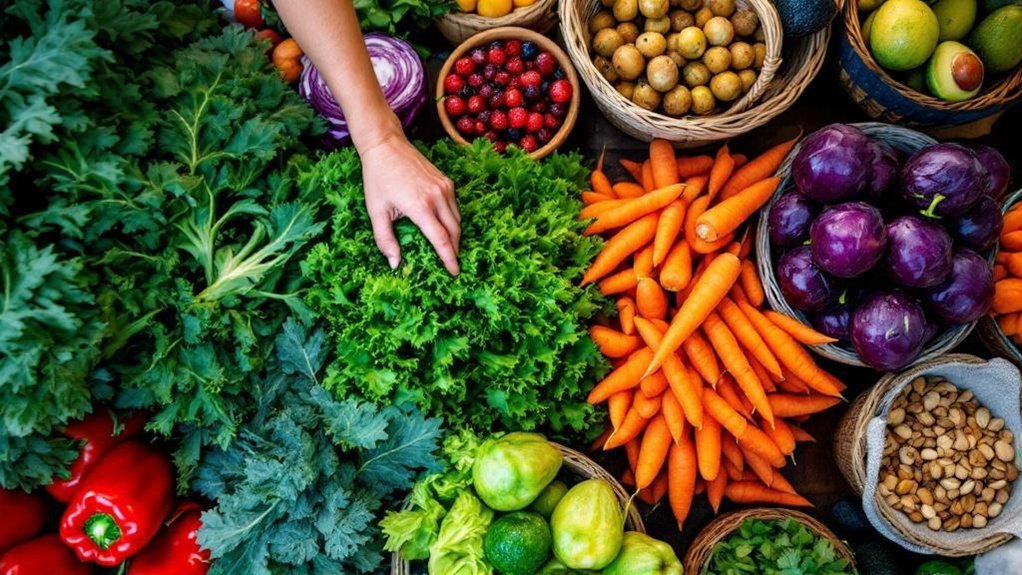
Smart shopping begins with understanding nutrient density—your ability to select foods that deliver maximum nutritional value per calorie consumed. Your grocery store layout is designed to tempt you with processed options, so focus on perimeter shopping where fresh produce, lean proteins, and dairy products are typically located.
Revamp your shopping habits by creating organized lists that prioritize colorful vegetables, fruits, whole grains, lean proteins, and healthy fats. When reading labels, look for products with whole grain flour listed as the first ingredient to ensure you’re getting truly nutritious options. When venturing into center aisles, read labels carefully to avoid hidden sugars, unhealthy fats, and excessive sodium. Replace packaged snacks with nutrient-dense alternatives like unsalted nuts, seeds, and fresh fruits.
Remember that what you put in your cart ultimately determines what goes into your body, so choose wisely for ideal nutrition.
Cooking Methods That Preserve Nutrient Content
Cooking techniques greatly impact the nutritional value of your food, making your method choice as important as your ingredient selection. Steaming benefits are substantial, preserving 85-91% of vitamin C in vegetables with minimal nutrient leaching compared to other methods. Microwaving effects are similarly positive, with short cooking times and little water contact helping retain most nutrients, especially water-soluble vitamins.
Boiling drawbacks include significant nutrient loss—up to 100% of some vitamins—as water-soluble nutrients leach into cooking water. Baking advantages include better vitamin C preservation than boiling and minimal impact on fat-soluble vitamins, even at higher temperatures. Stir-frying uses minimal oil at high temperatures, preserving nutritional content while cooking food quickly. For ideal nutrient retention, use minimal water, reduce cooking times, avoid peeling vegetables before cooking, and repurpose cooking liquids. You’ll maximize nutritional benefits while still enjoying delicious, properly cooked foods.
Budget-Friendly Nutrient-Dense Food Options
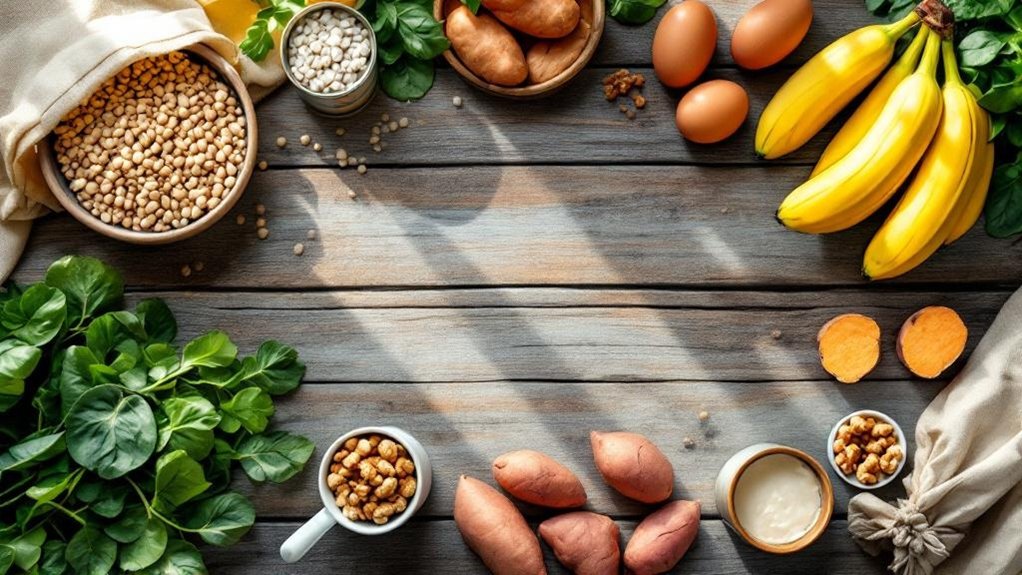
Contrary to popular belief, eating nutritiously doesn’t require spending a fortune at specialty health food stores. Your pantry can be filled with affordable options that maximize nutritional value. Dried beans and lentils deliver exceptional protein and fiber, costing mere pennies per serving. Eggs provide complete protein while frozen vegetables retain nutrients comparable to fresh varieties at a fraction of the cost.
Brown rice, oats, and whole-grain pasta offer sustainable energy through complex carbohydrates. Green cabbage provides an excellent nutritional profile at just $0.62 per pound. Consider nutrient timing by incorporating protein-rich cottage cheese or plain yogurt as affordable snacks between meals. Canned fish supplies omega-3 fatty acids economically, while butternut squash delivers 127% of your daily vitamin A needs for approximately $1.29 per pound. By strategically combining these budget-friendly foods, you’ll create nutrient-dense meals without straining your finances.
Seasonal Eating for Optimal Nutrient Density
While budget-friendly options form the foundation of nutritional eating, the timing of your food choices plays an equally important role in maximizing nutrient intake. Consuming produce during its natural growing season offers remarkable seasonal benefits for your health and wellbeing.
Fruits and vegetables harvested at peak ripeness contain notably higher vitamin and antioxidant levels than their counterparts grown out-of-season. These nutrient variations aren’t subtle—seasonal spinach provides substantially more vitamin C than stored alternatives. When you eat seasonally, you’re also enjoying improved flavor and freshness while supporting your digestive health through diverse fiber types. Visiting local markets like Alameda or Temescal provides access to the freshest seasonal produce while supporting sustainable agriculture.
Creating Balanced Meals With Nutrient-Dense Foods
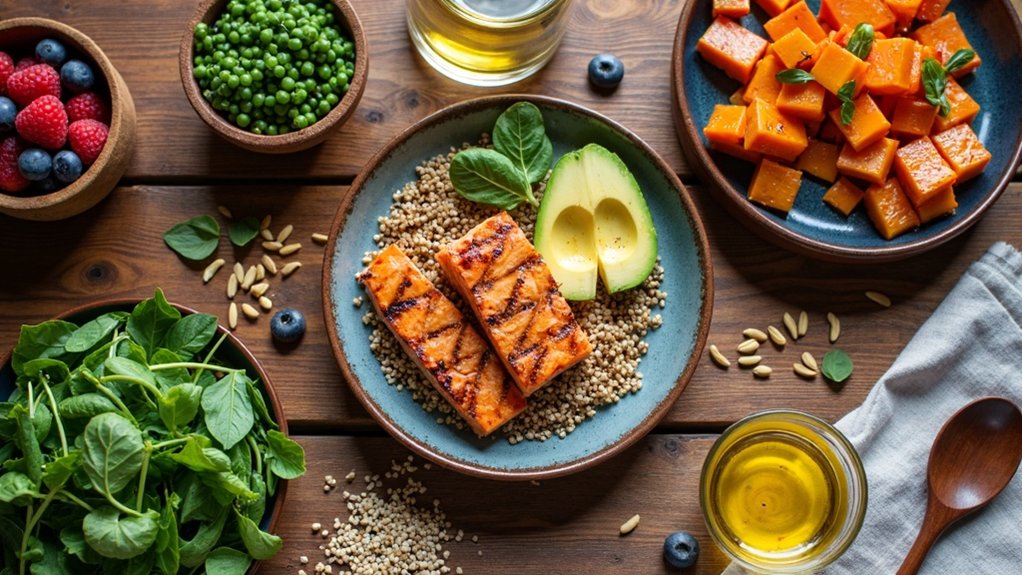
Creating balanced meals begins with planning colorful plates that incorporate at least three different vegetable colors to maximize phytonutrient diversity. You’ll optimize nutrient absorption by strategically pairing proteins with vitamin-rich vegetables, such as combining iron-rich legumes with vitamin C-containing bell peppers. Consider adding dark leafy greens like kale to your meals, as they provide essential vitamins, minerals, and fiber while containing only 9 calories per cup. These deliberate combinations guarantee your body receives complementary nutrients that work synergistically, enhancing overall bioavailability and metabolic function.
Plan Colorful Plates
To create balanced meals that support your health, organizing your plate around vibrant, nutrient-dense foods offers a practical approach for managing blood sugar levels. Aim for colorful arrangements where half your plate contains diverse vegetables and fruits spanning multiple hues—dark greens, reds, and oranges—to maximize phytonutrients.
Dedicate one quarter to whole grains like quinoa, oats, or brown rice for sustained energy, and the remaining quarter to lean proteins such as fish, beans, or tofu. These vibrant combinations not only please the eye but also guarantee nutritional variety. This arrangement aligns perfectly with the MyPlate guide that emphasizes proper proportions of food groups for optimal nutrition.
When planning mixed dishes like stews or stir-fries, mentally separate components to maintain these proportions. Remember that potatoes don’t count as vegetables due to their glycemic impact, and limit fruit juice to 150ml daily while prioritizing whole fruits instead.
Strategic Protein Pairing
Strategic protein pairing forms the foundation of blood sugar management and sustained energy throughout your day. By combining proteins with fiber-rich vegetables and healthy fats, you’ll increase satiety while reducing caloric intake by up to 20%.
Effective protein combinations include Greek yogurt with berries and nuts, lentil soup drizzled with olive oil, or vegetable stir-fry with tofu and sesame seeds. These nutrient pairing strategies activate multiple satiety pathways while stabilizing blood glucose levels—crucial for diabetes management.
For ideal results, aim for 20-30 grams of protein per meal, distributed evenly throughout your day. This approach supports consistent nutrient delivery and muscle protein synthesis. Using airtight containers for prepped meals helps maintain organization and freshness while ensuring you meet your daily protein requirements. Remember that weight management improves through meals designed with nutrient synergy rather than through calorie counting alone. You’ll feel fuller longer while nourishing your body ideally.
Frequently Asked Questions
How Can Nutrient-Dense Eating Accommodate Specific Dietary Restrictions?
You can thrive with nutrient-dense eating by choosing certified gluten alternatives like quinoa and rice, or vegan options including legumes and fortified foods that provide essential nutrients your body needs.
Can Nutrient-Dense Foods Help Manage Blood Sugar for Diabetics?
Yes, nutrient-dense foods help manage your blood sugar through fiber, healthy fats, and minerals. Nutrient timing matters too—spacing meals throughout the day prevents spikes many diabetics experience.
Do Nutrient-Dense Foods Expire Faster Than Processed Alternatives?
Generally, nutrient-dense foods have faster expiration rates than processed alternatives due to fewer preservatives. However, with proper food preservation techniques like freezing or dehydrating, you can extend their shelf life considerably.
Are Fortified Foods as Nutrient-Dense as Naturally Nutrient-Rich Options?
No, fortified foods typically don’t match naturally nutrient-rich options. While fortified benefits include addressing specific deficiencies, natural sources provide complex matrices with fiber and phytochemicals that enhance overall nutritional value for your body.
How Do Medications Affect Nutrient Absorption From Dense Foods?
Some medications can considerably reduce your nutrient absorption rates through various medication interactions. PPIs impair vitamin B12 uptake, while diuretics increase potassium loss. Always consult your healthcare provider about potential concerns.
Conclusion
By prioritizing nutrient-dense foods, you’re optimizing your health with every meal choice. Start by incorporating just one nutrient powerhouse daily, then gradually expand your repertoire. Remember that food quality matters more than quantity. You’ll find that this evidence-based approach naturally improves energy levels, supports weight management, and enhances overall well-being—all without restrictive dieting. Your body will thank you for these strategic, science-backed choices.