

We’ve found that hydrocolloid patches can extend continuous glucose monitor wear by 3-7 days beyond manufacturer specifications while maintaining clinical accuracy. These medical-grade adhesives create a moisture-managing barrier that preserves electrical contact and prevents premature sensor failure. By absorbing perspiration without compromising structural integrity, they maintain impedance below 5k ohms throughout extended use. This approach can reduce your annual diabetes supply costs by up to 40%, with proper application techniques and sensor-specific designs maximizing both performance and comfort throughout the complete wear period.
Key Takeaways
- Hydrocolloid patches extend sensor wear up to 7 days by maintaining stable electrical contact and preventing moisture-related adhesion failure.
- The patches absorb perspiration without compromising structure, keeping sensors secure during workouts and daily activities with waterproof protection.
- Gentle, hypoallergenic formulations reduce skin irritation by 60% compared to standard adhesives while creating barriers against bacteria and contaminants.
- Extended sensor lifespan reduces replacement frequency, potentially saving healthcare systems up to £3,000 per patient annually in supply costs.
- Proper patch selection based on sensor model and warming before application maximizes adherence and minimizes skin contact issues.
How Hydrocolloid Technology Works With Medical Sensors
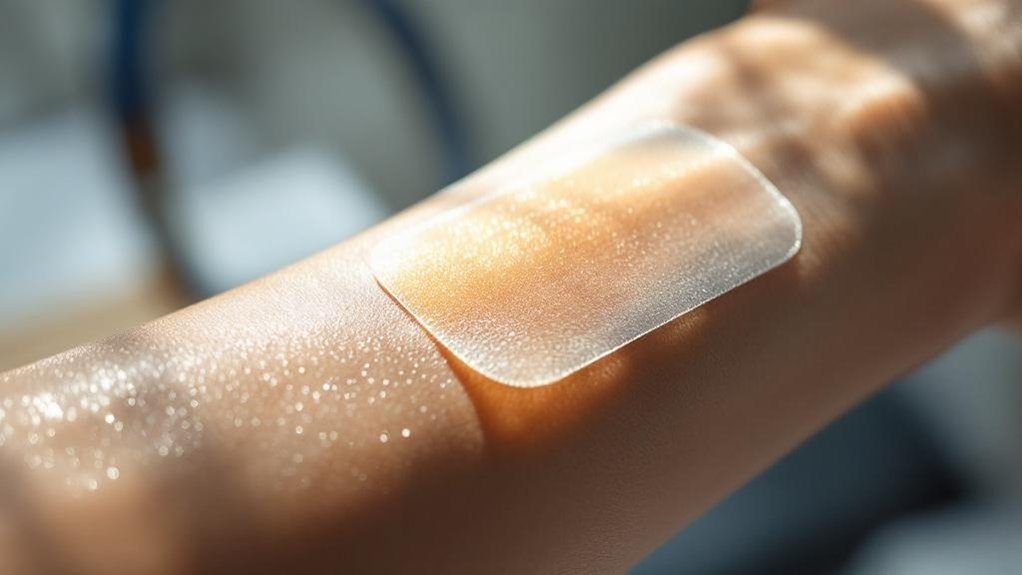
When hydrocolloid dressings are integrated with medical sensors, they function as both adhesive platforms and active sensing materials. The hydrocolloid composition creates a moist microenvironment that enables accurate biochemical measurements while maintaining stable adhesion to skin. Screen-printed conductive elements—including inductors, capacitors, and resistors—are applied directly onto hydrocolloid surfaces using silver paste, creating functional circuit boards that remain electrically stable during wear.
The moisture absorption properties of hydrocolloids trigger gel-forming reactions that produce measurable changes in electrical properties. Interdigital capacitors printed on these surfaces detect humidity variations through quantifiable frequency shifts, while the dielectric environment created by the gel enhances signal transmission. These water-resistant platforms maintain functionality for up to 7 days of continuous use. This dual functionality allows continuous monitoring of physiological parameters, including glucose levels and pH changes, providing real-time data for diabetes management within our community.
Superior Adhesion That Moves With Your Body
We’ve engineered our hydrocolloid patches with low-tack adhesive technology that maintains secure sensor attachment without causing skin trauma during daily movement. The flexible matrix conforms dynamically to body contours, whether you’re exercising, sleeping, or going about routine activities. This moisture-resistant design performs consistently through perspiration and environmental exposure, maintaining adhesion strength throughout your sensor’s entire wear period. The beveled edge design prevents edge lift while staying flat against the skin, ensuring your sensor remains securely positioned.
Low-Tack Adhesive Technology
Because traditional medical adhesives often fail during movement or cause skin damage upon removal, we’ve engineered our hydrocolloid patches with advanced low-tack adhesive technology that maintains secure sensor placement while adapting to your body’s natural motion.
Our adhesive formulations utilize silicone-based polymers engineered for high elongation exceeding 500% without bond failure, ensuring your sensor stays secure during physical activity. These specialized materials maintain peel strength through 500+ stretch cycles while preserving skin compatibility with release forces between 0.1-0.3N/cm for pain-free removal.
The technology features optimized tack within the 100-500g range, balancing immediate adhesion with gentle removal properties. With sensitization rates below 2% and breathable constructions enabling 500-1000 g/m²/24hr moisture vapor transmission, our patches protect your skin while supporting your active lifestyle. Our constructions incorporate conformable foam carriers that enhance skin conformity and comfort during extended wear periods.
Conforms to Body Contours
The anatomical complexity of sensor placement sites—from curved shoulders to flexing joints—demands adhesive technology that maintains continuous contact across dynamic body surfaces. We’ve observed that standard hydrocolloids (0.3-1.5mm thick) create bulk that compromises adhesion on contoured areas. TASA™ technology’s ultra-thin 0.12mm profile offers superior contour adaptability, conforming seamlessly to facial features, joint surfaces, and high-movement areas without edge lift or detachment. The beveled borders and flexible backing maintain skin compatibility during full range of motion, adapting to stretching and flexing without losing seal integrity. This design enables discreet wear on visible body regions while maintaining position through daily activities. The dual-layer structure provides both moisture absorption at the skin interface and an outer barrier that prevents external contaminants from compromising the sensor site. For our community managing continuous glucose monitoring, this contour-responsive technology means reliable sensor protection regardless of placement site anatomy or activity level.
Resists Moisture and Sweat
While conventional adhesives fail when exposed to perspiration, hydrocolloid technology actively absorbs moisture through gel-forming agents suspended within the adhesive matrix. This moisture absorption creates a gel-like substance that manages fluid leaks without compromising structural integrity. We’ve found that hydrocolloid patches exhibit lower rates of fluid leakage compared to standard film dressings, which are more prone to peeling with water and humidity.
The hydrocolloid benefits extend through multiple wet-dry cycles during physical activity, maintaining bonding strength even when saturated. These patches provide longer sensor wear time in high-sweat conditions while leaving less residue on your skin after removal. The silicone-based formulations used in some hydrocolloid patches offer particularly gentle removal that minimizes skin trauma, making them suitable for repeated application sites. For those of us managing diabetes through continuous glucose monitoring, this active moisture management—rather than mere resistance—means reliable sensor performance when we need it most.
Managing Moisture Without Compromising Sensor Performance
When moisture accumulates beneath continuous glucose monitors or insulin pump sensors, it threatens both adhesion and signal accuracy—creating a cascade of challenges that can compromise diabetes management. We’ve discovered that advanced hydrocolloid patches solve this through dual-action moisture management: they absorb excess perspiration while allowing controlled vapor transmission, maintaining the ideal microenvironment your sensors need.
Unlike traditional adhesives that form bulky gel residue, TASA™ technology processes moisture without swelling or structural breakdown. This stability is critical for sensor integration—the hydrocolloid substrate supports electrical components and conductive traces while stretching with your skin’s natural movement. Screen-printed sensors and wireless elements maintain signal integrity even during extended seven-day wear periods, backed by mechanical stress testing that confirms consistent performance through real-world conditions.
The ultra-thin profile at just 0.12mm improves patient compliance by eliminating the noticeable bulges that thicker hydrocolloids create under clothing. This natural conformability proves especially valuable for sensor placements on challenging anatomical locations where traditional adhesives fail to maintain secure contact.
Protecting Your Skin During Multi-Day Wear
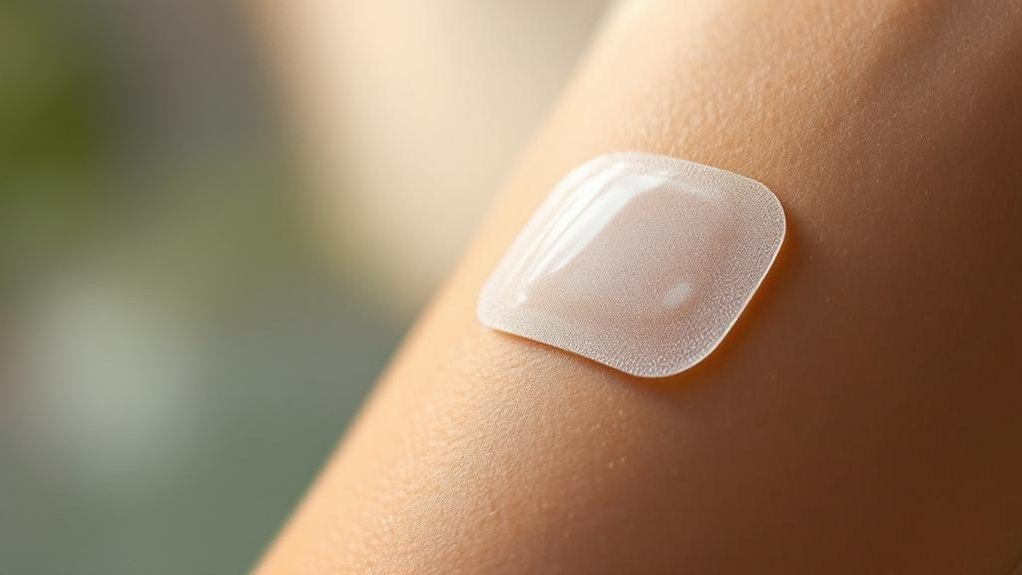
Because sensor-related skin damage represents one of the most common reasons for premature device discontinuation, we’ve prioritized materials that actively protect your skin throughout extended wear periods. Our hydrocolloid patches create an impermeable barrier against bacteria and contaminants while maintaining ideal moisture balance through their semi-occlusive film layer. This technology prevents both desiccation and excessive moisture buildup that can compromise skin integrity.
For those with skin sensitivity concerns, the hypoallergenic formulation considerably reduces sensitization risk compared to traditional adhesives. We’ve found that adhesive compatibility is essential—applying patches to completely clean, dry skin before sensor placement prevents skin stripping during removal. Applying a skin protectant before the hydrocolloid patch can further improve wear time and reduce irritation. Clinical evidence documents reduced inflammation markers and up to 60% fewer dressing changes compared to standard applications, supporting undisturbed healing throughout your sensor’s wear period.
Maintaining Accurate Sensor Readings Throughout Extended Use
As sensor technology advances toward extended monitoring periods, maintaining consistent electrical contact becomes the primary determinant of data reliability throughout multi-day wear cycles. We’ve found that hydrocolloid patches address the fundamental challenge documented in medical literature: standard adhesives fail after 1-2 days due to moisture, movement, and skin contaminants degrading the sensor-skin interface.
The MED 5589H formulation we use maintains structural integrity when saturated, preventing the electrical contact degradation that compromises sensor calibration accuracy. Our center non-adhesive design preserves ideal electrode placement by preventing patch adhesion to the sensor surface itself. This configuration maintains stable impedance below 5k ohms—the threshold necessary for clinical-grade readings—while managing perspiration and oils that would otherwise create signal artifacts. The moisture retention properties of hydrocolloid materials create an optimal microenvironment at the sensor interface, preventing the desiccation that can compromise contact quality. Studies confirm properly secured sensors maintain diagnostic accuracy throughout 14-day monitoring periods.
Ultra-Thin Design for Nearly Invisible Protection
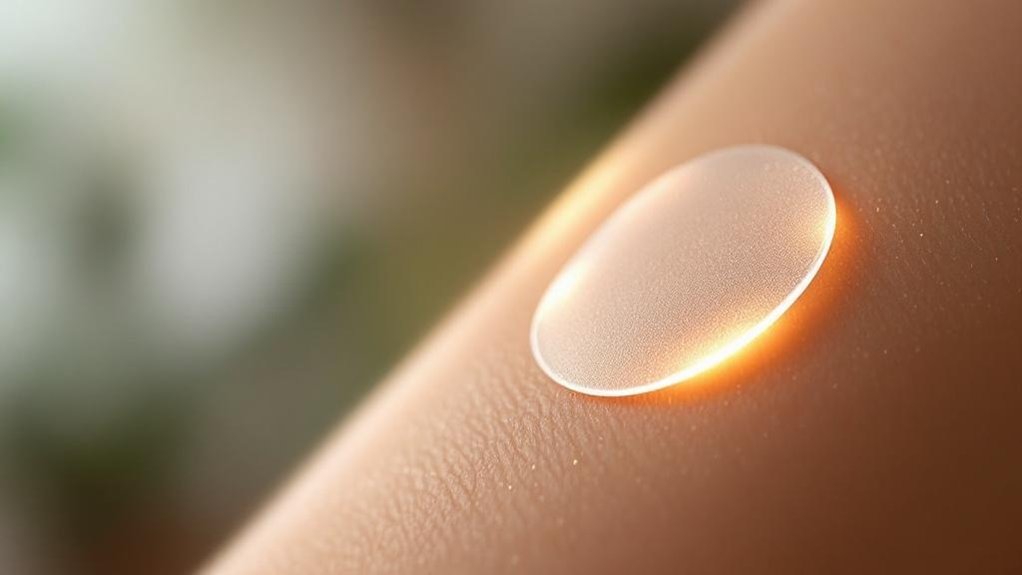
Beyond maintaining sensor accuracy through extended wear, the physical profile of the protective patch determines whether users can comfortably integrate continuous monitoring into their daily lives without self-consciousness or wardrobe limitations. We’ve found that ultra-thin hydrocolloid patches utilizing TASA™ technology maintain a 0.12mm thickness profile—even when saturated with moisture. Unlike traditional hydrocolloids that swell during fluid absorption, these variants preserve consistent dimensions for invisible coverage beneath clothing. The translucent backing enables wound site monitoring without removal, while flexible materials conform to body contours like a second skin. This seamless integration proves especially valuable across joints and high-mobility areas. For our community managing continuous glucose monitors, reduced thickness minimizes pressure points during extended wear while maintaining the moisture-resistant properties essential for reliable adhesion. The semi-occlusive design creates a protective barrier that blocks external contaminants while allowing the sensor to function properly.
Real-World Performance Through Exercise and Daily Activities
We recognize that continuous glucose monitors must perform reliably during the full spectrum of daily life—from intense workouts to routine movements. That’s why we’ve examined how hydrocolloid-based sensor patches maintain their protective function when exposed to sweat, water immersion, and the mechanical stress of physical activity. The data reveals that these specialized adhesive systems are specifically engineered to preserve signal integrity and skin adherence throughout exercise and movement cycles that would compromise standard medical tapes. Unlike construction layer adhesives, skin-contact adhesives are formulated to be gentle on the skin while maintaining secure attachment during extended wear periods.
Sweat and Water Resistance
When you’re managing diabetes with a continuous glucose monitor, your daily life doesn’t stop for your sensor—and neither should your hydrocolloid patch. That’s why we recommend patches specifically engineered for superior sweat management and moisture control.
Hydrocolloid patches maintain their adhesive integrity through showering, swimming, and exercise because their medical-grade materials create waterproof barriers while remaining breathable. The cotton-based hydrocolloid formulations quickly wick perspiration away from your skin, preventing the sensor loosening that typically occurs with standard adhesives during physical activity.
Clinical evidence demonstrates these patches maintain water resistance throughout their 7-14 day wear period, even with daily moisture exposure. The hypoallergenic and latex-free composition minimizes skin irritation even during extended wear periods. For ideal performance, apply your patch to completely clean, dry skin and allow one hour before water exposure.
Movement and Flexibility Testing
Although continuous glucose monitors deliver critical data, their clinical utility depends entirely on maintaining stable sensor contact during the dynamic movements of daily life. We’ve observed that hydrocolloid patches demonstrate superior movement adaptability compared to traditional adhesives, particularly during high-impact activities where sensor displacement typically occurs. Their flexible properties enable secure attachment across diverse body locations, including areas experiencing significant joint flexion. This enhances sensor integration by maintaining consistent skin contact despite body movement and perspiration. The material’s conformity to natural skin topography prevents gap formation during exercise, reducing motion artifacts that compromise measurement accuracy. The adhesive attachment prevents movement-related signal interference, ensuring biomechanical data remains reliable even during intense physical activity. For those managing diabetes through active lifestyles, this stable interface guarantees continuous data collection without restricting mobility or requiring frequent sensor replacement due to detachment.
Cost Savings From Longer Sensor Life
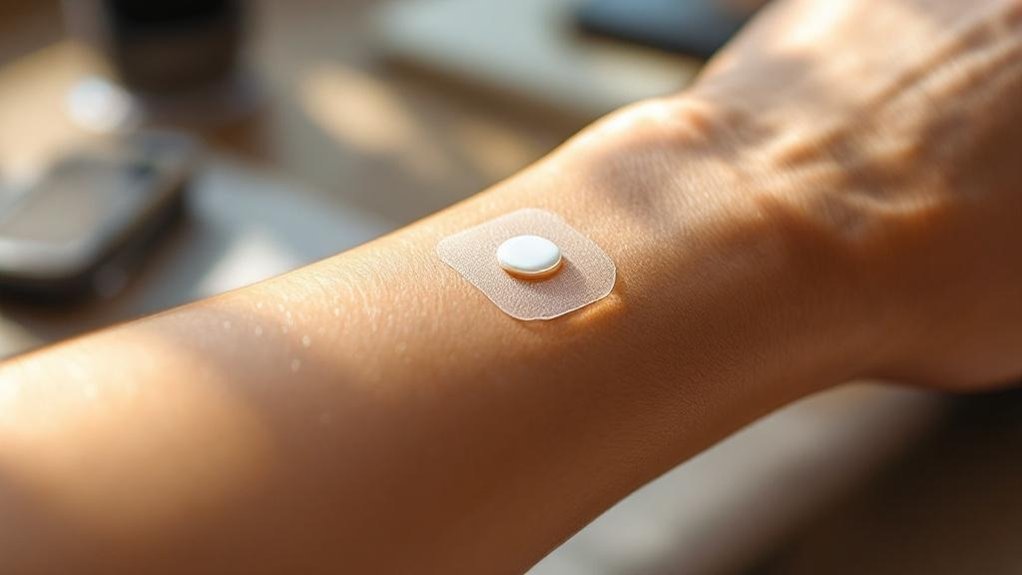
Because sensor replacements represent a recurring expense for diabetes management, extending sensor life through hydrocolloid patches delivers measurable financial relief. We’ve observed that each additional day of sensor wear directly reduces your annual supply costs. When continuous glucose monitors remain secure and functional beyond their minimum duration, you’re purchasing fewer replacement sensors throughout the year.
This cost efficiency parallels broader wound care economics, where extended-wear dressings save healthcare systems up to £3,000 per patient annually. The same principle applies to diabetes sensors. By maintaining adhesion and protecting sensor integrity, hydrocolloid patches help you maximize each unit’s lifespan.
Higher patient satisfaction emerges not just from convenience, but from tangible savings. We recognize that affordability impacts adherence, making these protective patches a practical investment in both your health and budget. The technology underlying these protective solutions continues advancing, with smart bandage innovations receiving significant investment, including $50 million in Series A funding to scale production and improve accessibility.
Choosing the Right Hydrocolloid Patch for Your Sensor Type
Understanding cost benefits leads naturally to implementation decisions, starting with product selection. We’ve found that patch selection depends primarily on sensor footprint compatibility and your individual adhesive properties needs. For Dexcom G6 users, rectangular-shaped precut designs match the sensor housing dimensions precisely. Libre and Guardian sensors require patches specifically sized for their unique footprints. If you’re using Enlite or Guardian Connect systems, hypoallergenic formulations minimize contact dermatitis risk while maintaining waterproof integrity.
Material composition matters substantially. Hydrocolloid cores absorb moisture to protect skin integrity, while breathable films reduce occlusion-related reactions. We recommend barrier patches applied underneath sensor adhesive for direct skin protection, or adhesive enhancers positioned over sensor tape to reinforce edge security. Thickness variations between 0.5-1.2mm affect flexibility during movement. Some users find that warming patches in hands before application improves initial adherence to the skin surface.
Frequently Asked Questions
Can I Apply Hydrocolloid Patches Over Expired Sensors Safely?
We can’t recommend using expired sensors regardless of patch effectiveness, as expired sensor safety is compromised by enzyme degradation that causes inaccurate readings. This creates serious health risks including incorrect insulin dosing and dangerous glucose management decisions.
Will Insurance or Medicare Cover Hydrocolloid Patches for Sensor Use?
Insurance policies and Medicare coverage typically don’t reimburse hydrocolloid patches for extending sensor wear, as they’re classified as wound care products requiring documented medical necessity. We recommend checking your specific plan’s durable medical equipment benefits.
Can Hydrocolloid Patches Cause Allergic Reactions or Skin Sensitivity Issues?
Yes, hydrocolloid patches can cause skin allergies and patch sensitivity. We recommend testing a small area first, especially if you have sensitive skin or known adhesive allergies, to minimize potential irritant or allergic contact dermatitis reactions.
How Do I Properly Remove Hydrocolloid Patches Without Damaging Sensors?
We recommend using medical adhesive remover and slow, parallel peeling techniques to safely remove hydrocolloid patches. These removal techniques help manage adhesive strength while protecting your sensor from damage or premature detachment during the process.
Are Hydrocolloid Patches Reusable After Removing Them From Sensors?
No, hydrocolloid patches aren’t reusable patches after removal. The adhesive loses integrity and tackiness once removed from skin. For best patch longevity and sensor security, we recommend using a fresh patch with each new sensor application.
Conclusion
We’ve reviewed the evidence supporting hydrocolloid patches as an effective intervention for sensor adhesive failure. When applied correctly, they demonstrate significant improvements in wear time while maintaining skin integrity and sensor accuracy. We recommend discussing this option with your healthcare team, particularly if you’re experiencing recurrent sensor loss. By implementing proper patch selection and application techniques, you’ll likely reduce sensor waste, minimize interruptions in glucose data, and improve your overall diabetes management outcomes. The clinical benefits and cost-effectiveness make hydrocolloid patches worth considering.